
Five thousand years of context
Egypt has been continuously inhabited for five thousand years. The pharaonic layer is the most visible, but what you encounter at the sites is not one uniform civilization. It is dynasties changing, beliefs evolving, foreign rulers adapting old symbols to new purposes. These articles give you the context to read what's in front of you, whether that's a temple wall, a burial chamber, or a living neighborhood in Cairo.
Culture & History
Articles on Egypt's history, symbols, and culture, written to enrich what you see at the sites.
How Ancient Egyptian Mummification Actually Worked
Culture & History · Jun 21, 2026
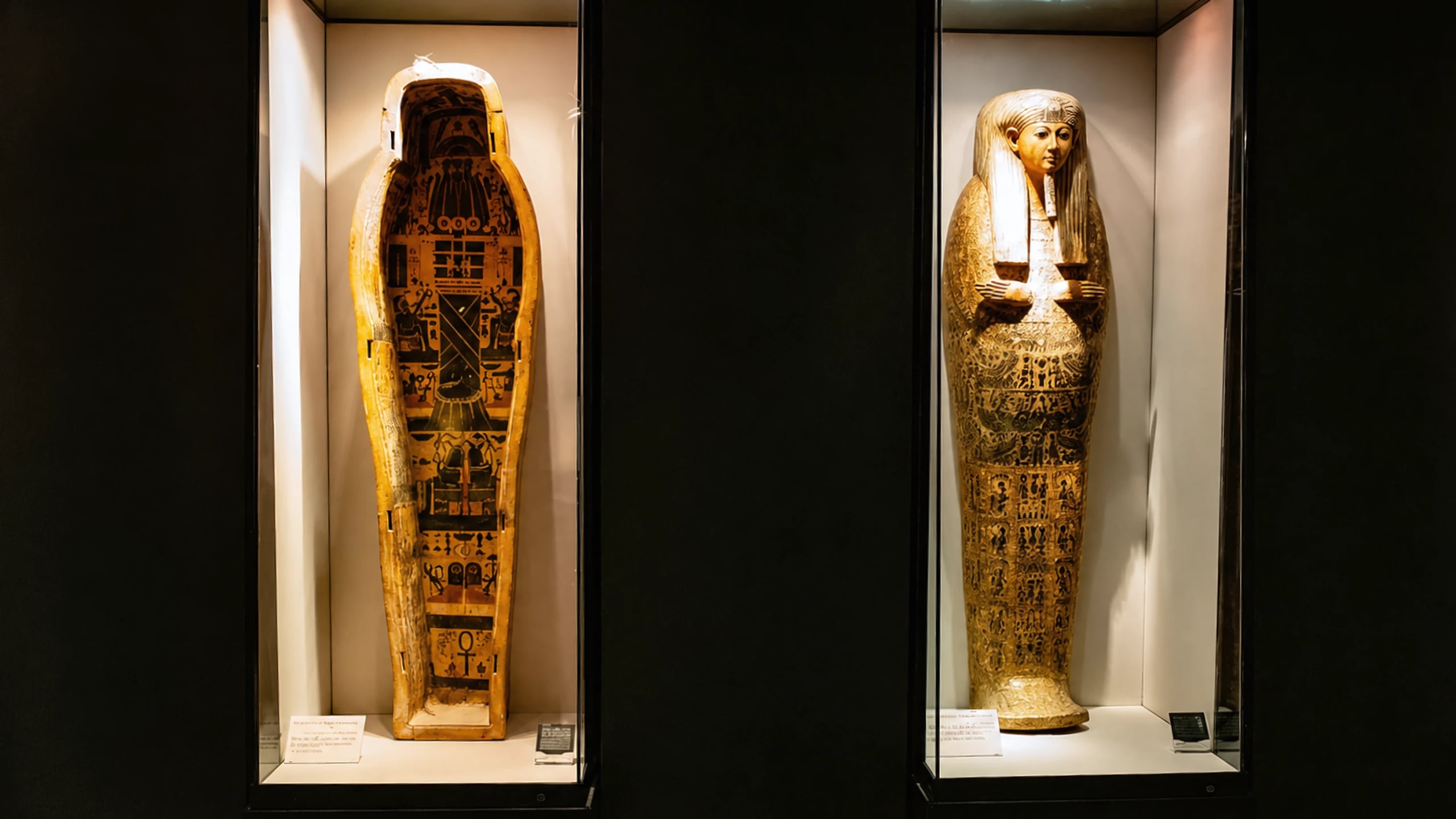
People often describe mummification as if it were just ancient embalming. That is only part of the truth. For ancient Egyptians, preserving the body mattered because the dead still needed a viable form in the next world. The work was therefore practical, religious, and symbolic at the same time.That also helps explain why simplified "seven steps" summaries can be useful for teaching but slightly misleading for understanding. The process did have a broad sequence, and museum sources agree on its core stages, but the exact presentation varies. What matters most is not forcing one neat numbered list. It is understanding what the embalmers were trying to achieve, and how each stage served that goal.
Akhenaten and the Amarna Revolution
Culture & History · Jun 21, 2026
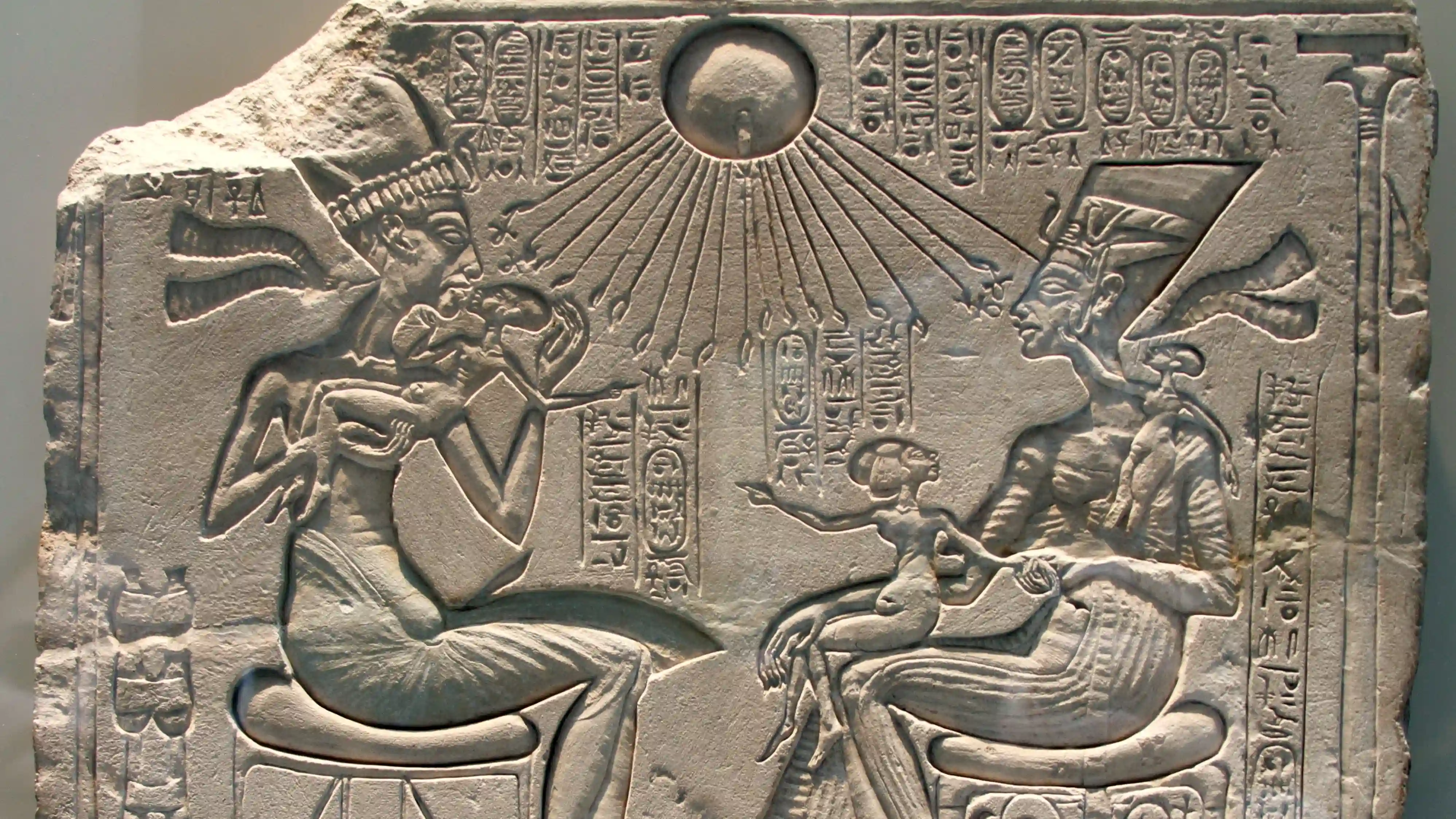
Some Egyptian rulers built bigger temples. Some conquered more territory. Akhenaten remains different because he tried to change the structure of Egyptian rule itself. During the 18th Dynasty, he shifted royal attention away from the old cult order, promoted the Aten above the traditional gods, founded a new capital at Akhetaten, and allowed a visual language that still looks startlingly unlike most other Egyptian court art.That is why he keeps attracting oversized labels: visionary, heretic, reformer, fanatic, first monotheist. The problem is that each label catches only part of what happened. Akhenaten's reign was radical, but not in one clean modern sense. It changed religion, yes, but it also changed the court, the image of the royal family, and the physical map of power.
Understanding Hieroglyphics: A Beginner's Guide
Culture & History · Apr 28, 2026
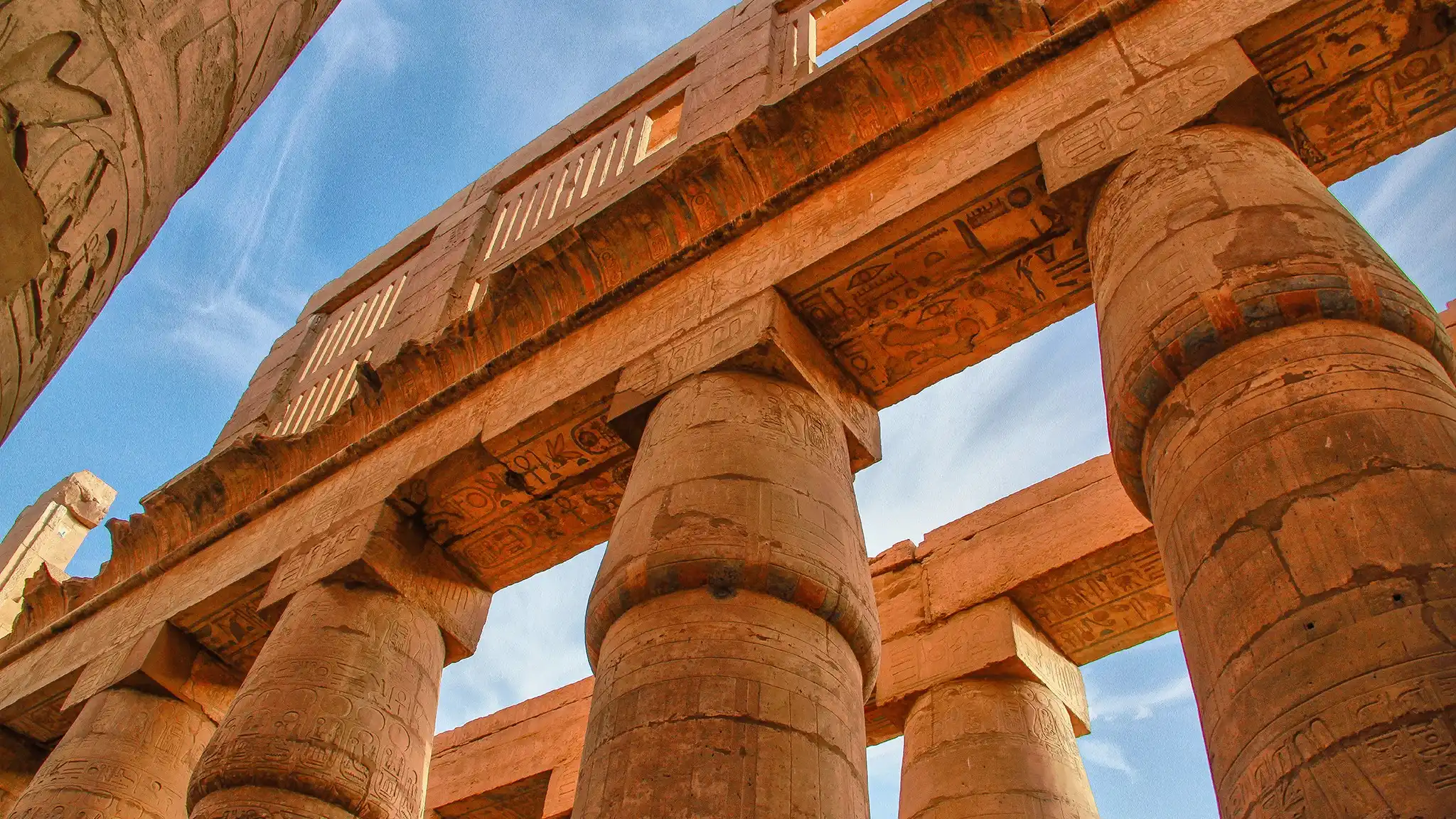
Many travelers arrive in Egypt expecting hieroglyphs to feel important, but not especially readable. That instinct is right. Most people do not need a formal lesson in ancient Egyptian, yet they do need a better entry point than “these are beautiful symbols.” Without one, temple walls can blur into surface detail and the same scenes start repeating without giving much back.This guide is meant to fix that. It will not teach you to translate inscriptions, but it will help you recognize what hieroglyphs are doing, where to begin looking, and why the carvings at sites in Luxor, Aswan, and museum collections in Cairo become far more rewarding once a few core ideas click into place.
Ready to plan a trip that fits you?
Start with a program, shape something more personal, or reach out if you want help choosing the right destination and pace.
Travelers Hosted
Curated Programs
Years of Experience
Average Rating