

Akhenaten and the Amarna Revolution
Akhenaten is remembered not only for elevating the Aten, but for trying to redraw religion, kingship, art, and royal geography around a new center all at once.
June 21, 2026
Why this reign still feels unsettled
Some Egyptian rulers built bigger temples. Some conquered more territory. Akhenaten remains different because he tried to change the structure of Egyptian rule itself. During the 18th Dynasty, he shifted royal attention away from the old cult order, promoted the Aten above the traditional gods, founded a new capital at Akhetaten, and allowed a visual language that still looks startlingly unlike most other Egyptian court art.
That is why he keeps attracting oversized labels: visionary, heretic, reformer, fanatic, first monotheist. The problem is that each label catches only part of what happened. Akhenaten's reign was radical, but not in one clean modern sense. It changed religion, yes, but it also changed the court, the image of the royal family, and the physical map of power.
Why Akhenaten stands apart
Akhenaten began his reign as Amenhotep IV, a king of the 18th Dynasty during one of the strongest periods of New Kingdom Egypt. He later changed his name to Akhenaten, usually understood as a statement of loyalty to the Aten. That shift was not cosmetic. It signaled a serious redirection of royal identity.
He is often introduced as the pharaoh who replaced Egypt's many gods with one. That is the headline version. The fuller version is more interesting. He did not simply prefer one deity over the others in private devotion. He tried to reorder public religion and royal power around that preference.
The Amarna revolution was bigger than religion alone
The move to Akhetaten, now known as Amarna, matters as much as the theological change. By founding a new capital away from older cult centers, Akhenaten was not just announcing a belief. He was creating a different political and ceremonial landscape in which the Aten and the royal family sat at the center.
That is why historians often talk about an Amarna "revolution" rather than only an Amarna cult. The change touched several layers at once:
- Religion: the Aten was elevated above the traditional cult structure.
- Kingship: the king's relationship to the divine was presented in a sharper and more exclusive way.
- Geography: a new capital tried to break from older religious power centers.
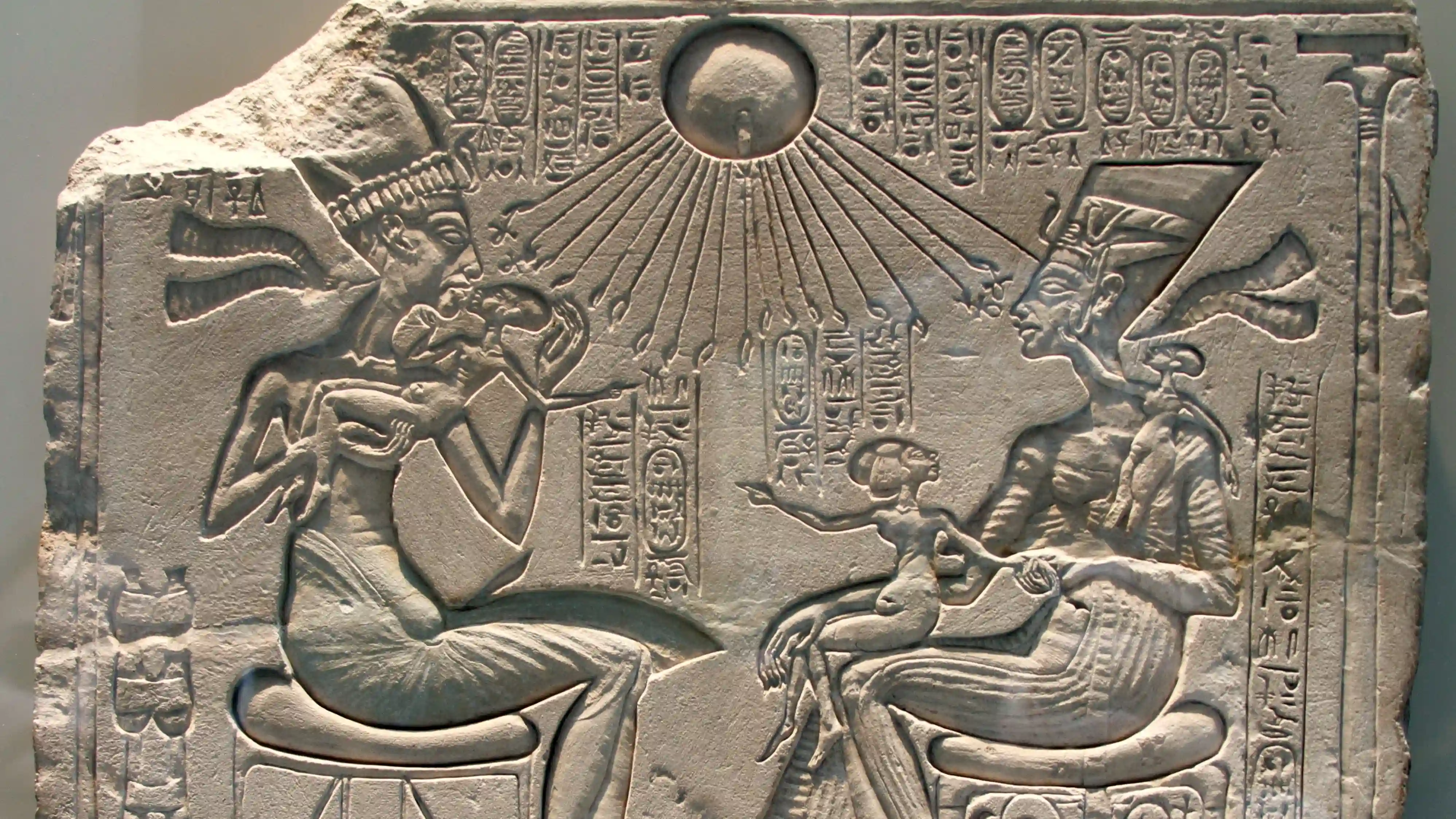
- Art: royal imagery became more intimate, less conventionally formal, and visually distinct.
When all of that happens in one reign, the result feels less like a simple religious preference and more like a court-wide reprogramming attempt.
Was Akhenaten really the first monotheist?
This is the question that keeps getting repeated, and it is usually framed too neatly. Older popular writing often cast Akhenaten as the world's first true monotheist. More careful treatments tend to slow that down. Britannica, for example, describes Atenism more cautiously as monolatry: the worship of one god above others rather than a fully developed denial that all others existed.
That distinction matters. It stops us from forcing a modern theological category onto a very ancient political-religious system. Akhenaten was unquestionably radical by Egyptian standards. That does not mean his project maps perfectly onto later monotheism in the way popular summaries often imply.
Why the art still feels so unusual
Even people who know little about the Amarna period often recognize its art immediately. Bodies lengthen. Faces narrow. Bellies, hips, and limbs are rendered differently. Royal scenes can feel strikingly intimate, with Akhenaten, Nefertiti, and their daughters shown beneath the Aten's rays in ways that stand apart from the more formal tone of earlier pharaonic imagery.
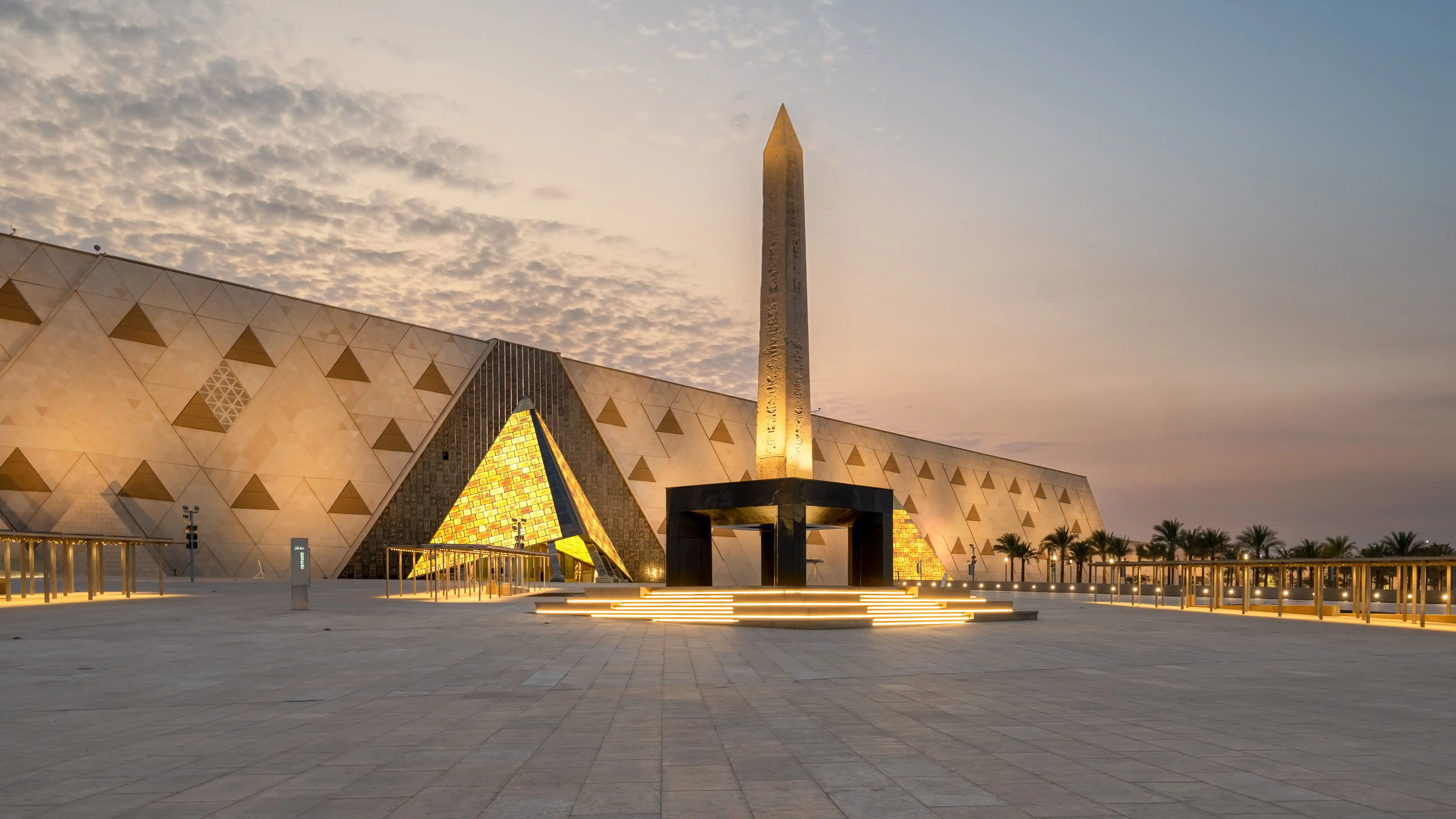
That is part of why the reign remains so vivid in modern imagination. The shift was not buried in priestly language alone. It became visible. If you spend time in Cairo museum collections, the contrast with more conventional royal representation becomes easier to feel than to summarize.
Why the experiment did not last
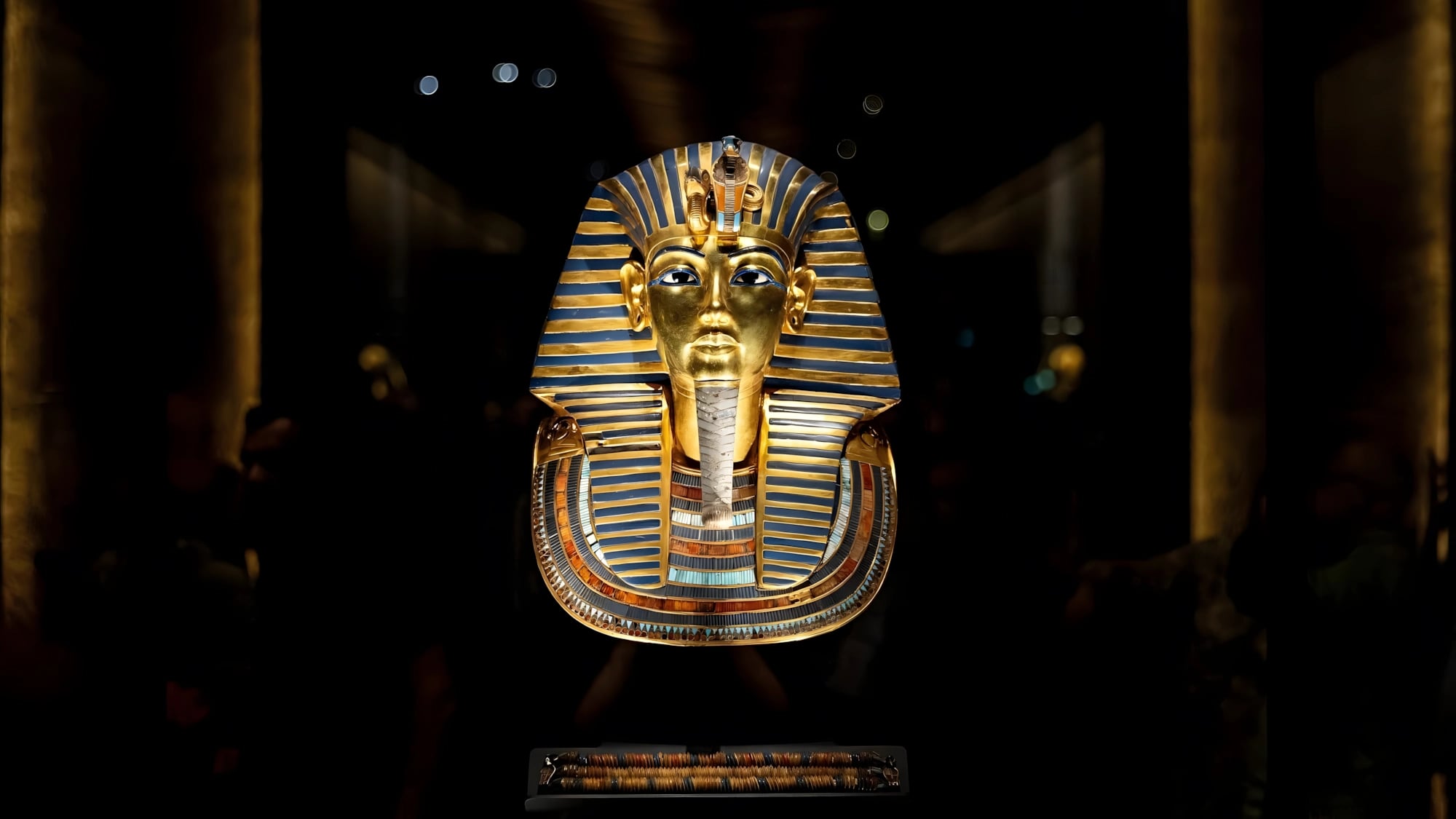
For all its force, the Amarna project proved fragile. After Akhenaten's death, the system did not hold. The court moved away from Akhetaten, the traditional cults returned, and the restoration process under his successors worked hard to re-anchor Egypt in older religious forms. Even Tutankhamun's early name, Tutankhaten, preserves a trace of how close the regime still was to the Aten-centered world before the reversal hardened.
That collapse is part of the story, not a footnote to it. Akhenaten matters not because he permanently replaced Egyptian religion, but because he showed how far a pharaoh could try to push central change, and how quickly that change could be dismantled once royal support disappeared.
Why historians still care
The reign matters for more than drama. Amarna gives historians a rare case study in how religion, royal image, administration, diplomacy, and urban planning could be pulled into one experiment. The Amarna Letters also remind us that this was not an isolated spiritual episode. Egypt was still part of a wider political world even while the court was being ideologically recentered.
Akhenaten therefore survives in history not as a solved character, but as a disruptive one. He was neither just a mystical dreamer nor simply a villain of tradition. He was a ruler who tried to compress theological change, political control, and symbolic reinvention into one reign. That is why the argument around him has never really gone quiet.
How to place Akhenaten inside a real Egypt trip
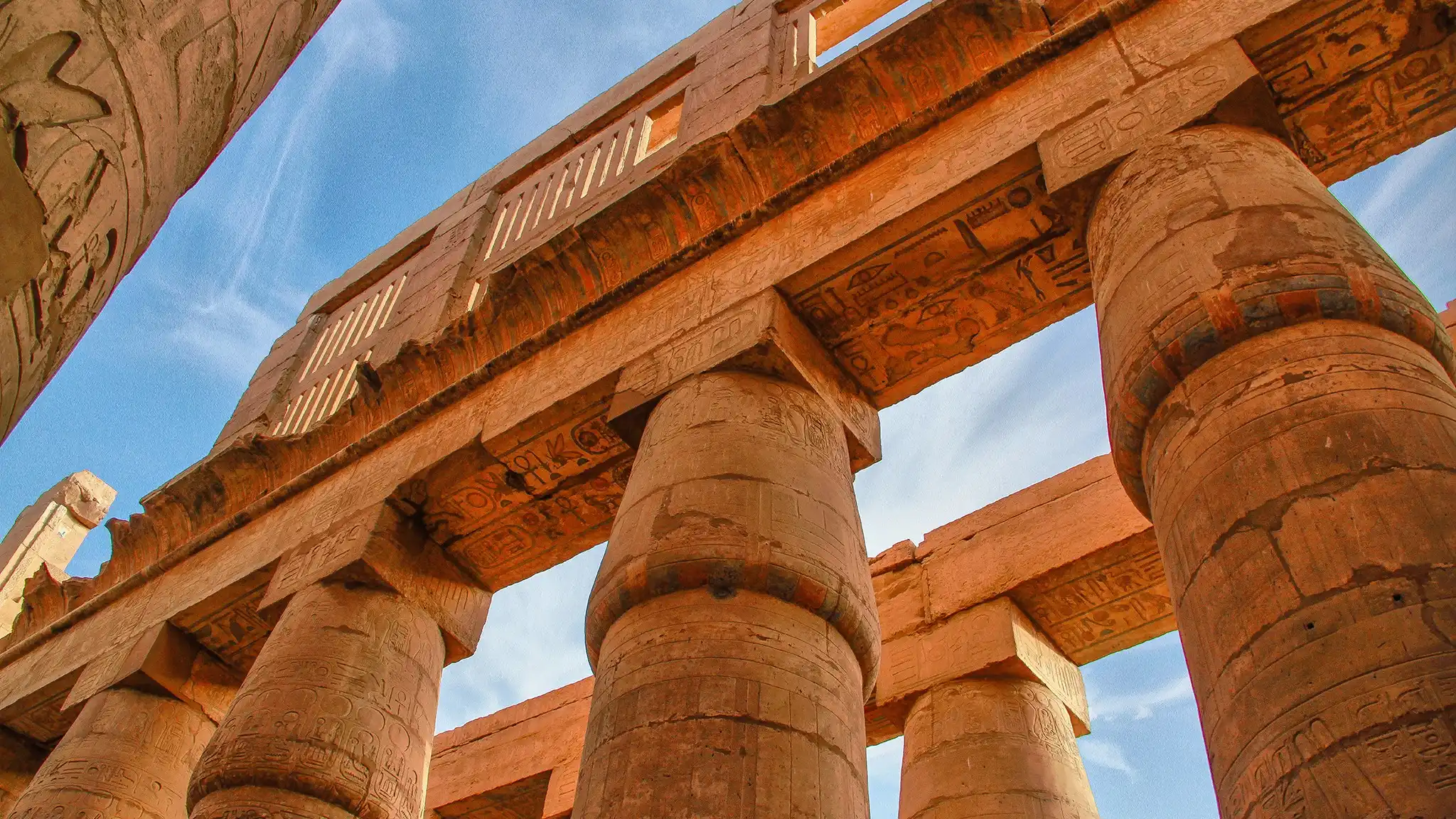
Most travelers do not visit Egypt for Amarna alone, but the reign becomes easier to understand once you see it against the broader New Kingdom and museum context. The best route is usually comparative rather than isolated: museum collections for the visual language, major temple sites for the larger religious world he was reacting against, and a wider historical frame that keeps the Amarna moment from floating free of everything before and after it.
That is also why Akhenaten works so well as a history topic. His reign is short enough to feel contained, but large enough to change how you read kingship, religion, and art across the rest of ancient Egypt.
Programs That Help Place Akhenaten in Context
Akhenaten makes more sense when you can compare museum material, temple culture, and the broader New Kingdom setting rather than treating Amarna as a disconnected curiosity.
Ready to plan a trip that fits you?
Start with a program, shape something more personal, or reach out if you want help choosing the right destination and pace.
Travelers Hosted
Curated Programs
Years of Experience
Average Rating