

How Ancient Egyptian Mummification Actually Worked
Mummification in ancient Egypt was not one dramatic ritual moment, but a long process of drying, treating, wrapping, and protecting the body so it could remain intact for the afterlife.
June 21, 2026
Why the process was more than preservation alone
People often describe mummification as if it were just ancient embalming. That is only part of the truth. For ancient Egyptians, preserving the body mattered because the dead still needed a viable form in the next world. The work was therefore practical, religious, and symbolic at the same time.
That also helps explain why simplified "seven steps" summaries can be useful for teaching but slightly misleading for understanding. The process did have a broad sequence, and museum sources agree on its core stages, but the exact presentation varies. What matters most is not forcing one neat numbered list. It is understanding what the embalmers were trying to achieve, and how each stage served that goal.
The real goal was not beauty. It was continuity after death.
Ancient Egyptian mummification was tied to beliefs about the afterlife. The dead were expected to continue in another form of existence, and that made the body more than a shell to be discarded. If it decayed too badly, the person's chances of a stable afterlife were threatened. Preservation therefore carried religious urgency, not just technical interest.
That is why tomb goods, amulets, prayers, and wrapping all belong to the same larger system. The body had to be protected, but it also had to be ritually prepared for what came next.
The core sequence was broadly consistent
Across major museum explanations, the central logic is stable even when the step count changes:
- The body was brought to embalmers and prepared for treatment.
- Decay-prone internal material, especially the organs, was addressed.
- The body was dried with natron, a naturally occurring salt.
- It was treated with oils, resins, and other protective materials.
- It was wrapped carefully in linen, often with protective amulets.
- It was placed in funerary equipment for burial.
That outline is more trustworthy than insisting every source must teach the process in exactly the same number of steps.
What happened to the organs
One of the most important parts of mummification was dealing with the internal organs, because they decay rapidly. British Museum and Smithsonian material both describe the removal of most major organs and the preservation of some of them separately. The brain was typically removed as well, but not preserved in the same way.
The heart is the important exception in many explanations of Egyptian burial practice. It was closely tied to identity, judgment, and the person's moral being, so it was often left in place. That detail matters because it shows that mummification followed religious logic, not just anatomical convenience.
Why natron mattered so much
If one material sits at the center of the whole process, it is natron. The body had to be dried effectively, and natron did that work by drawing out moisture. Smithsonian guidance describes the wider mummification process as taking seventy days, with drying as a major part of that timeline.
This is one reason mummification cannot be reduced to "wrapping a body in linen." Drying was essential. Without it, the rest of the ritual would not achieve the preservation that Egyptians were aiming for.
Wrapping was not the last decorative touch
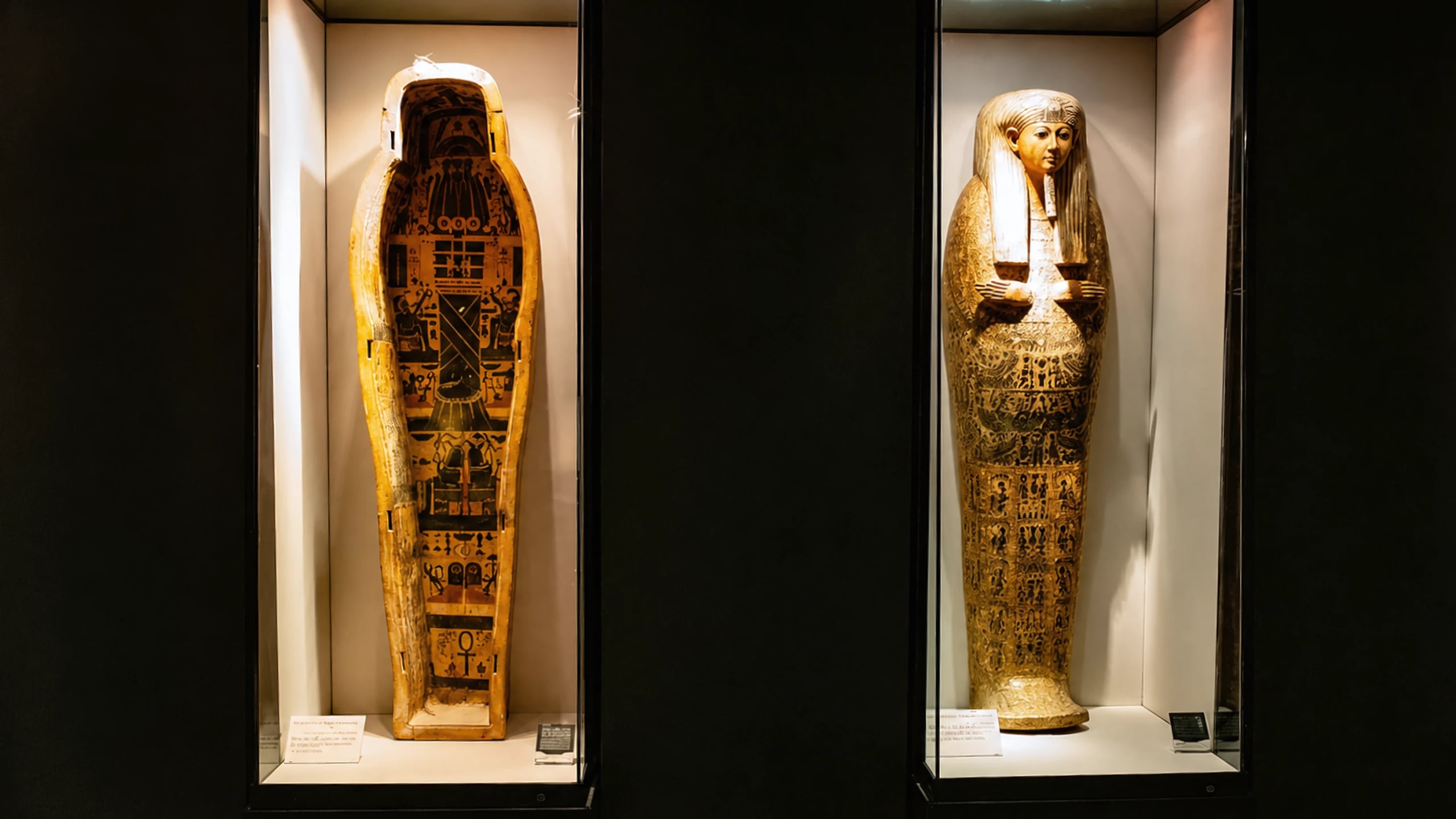
The linen wrappings were part of the protection itself. They helped contain the body, hold its form, and create layers through which resins, amulets, and funerary symbolism could work together. The final result could look visually elaborate, but the wrapping was not just a cosmetic finish placed over an already completed corpse.
That is worth stressing because modern imagery often jumps straight to the bandages. In reality, the wrapping stage came after difficult technical work had already been done.
Did every Egyptian receive the same treatment?
No. The idealized version familiar from museum exhibits often reflects higher-status burials or the most carefully executed forms of the practice. Methods changed over time, and cost mattered. Britannica notes that the process varied from age to age in Egypt, even though the larger principle remained the same.
That means there was never one completely frozen formula that all Egyptians experienced identically for three thousand years. The best-known version is the most famous one, not the only one that existed.
Why mummification still fascinates people
Part of the fascination comes from technical survival: bodies lasting across millennia still feel astonishing. But the deeper interest is that mummification opens a direct window onto how ancient Egyptians thought about death. The process shows a culture trying to make the dead durable, legible, and ritually protected in a world beyond burial.
That is why mummification remains more than a curiosity. It helps explain tomb design, funerary art, amulets, coffins, and the wider religious imagination of ancient Egypt.
How to make the subject clearer on a real Egypt trip
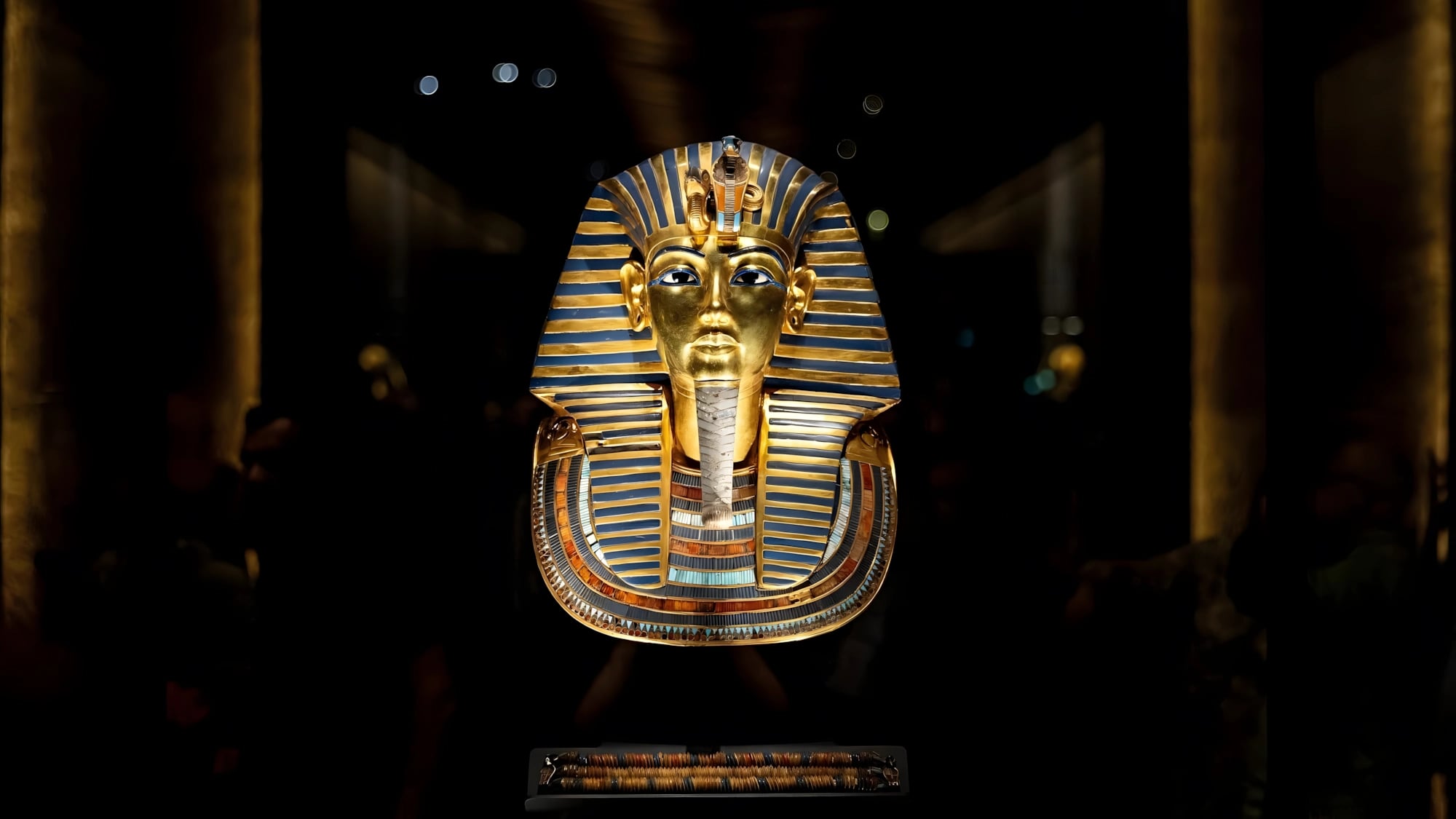
Mummification is easiest to understand when you connect museum material with tomb culture instead of treating it as an isolated museum oddity. Collections in Cairo help with the objects and preserved bodies themselves. Necropolis sites such as Saqqara help with the burial world around them. Together, they make the subject feel like part of a full system rather than a shocking standalone procedure.
That is usually the point at which the topic becomes far more interesting. The question stops being "how did they make mummies?" and becomes "what did they believe a preserved body was for?"
Programs That Help Put Mummification in Context
Mummification becomes much clearer when you can see funerary objects, burial landscapes, and museum collections as parts of one larger system rather than as separate attractions.
Ready to plan a trip that fits you?
Start with a program, shape something more personal, or reach out if you want help choosing the right destination and pace.
Travelers Hosted
Curated Programs
Years of Experience
Average Rating