

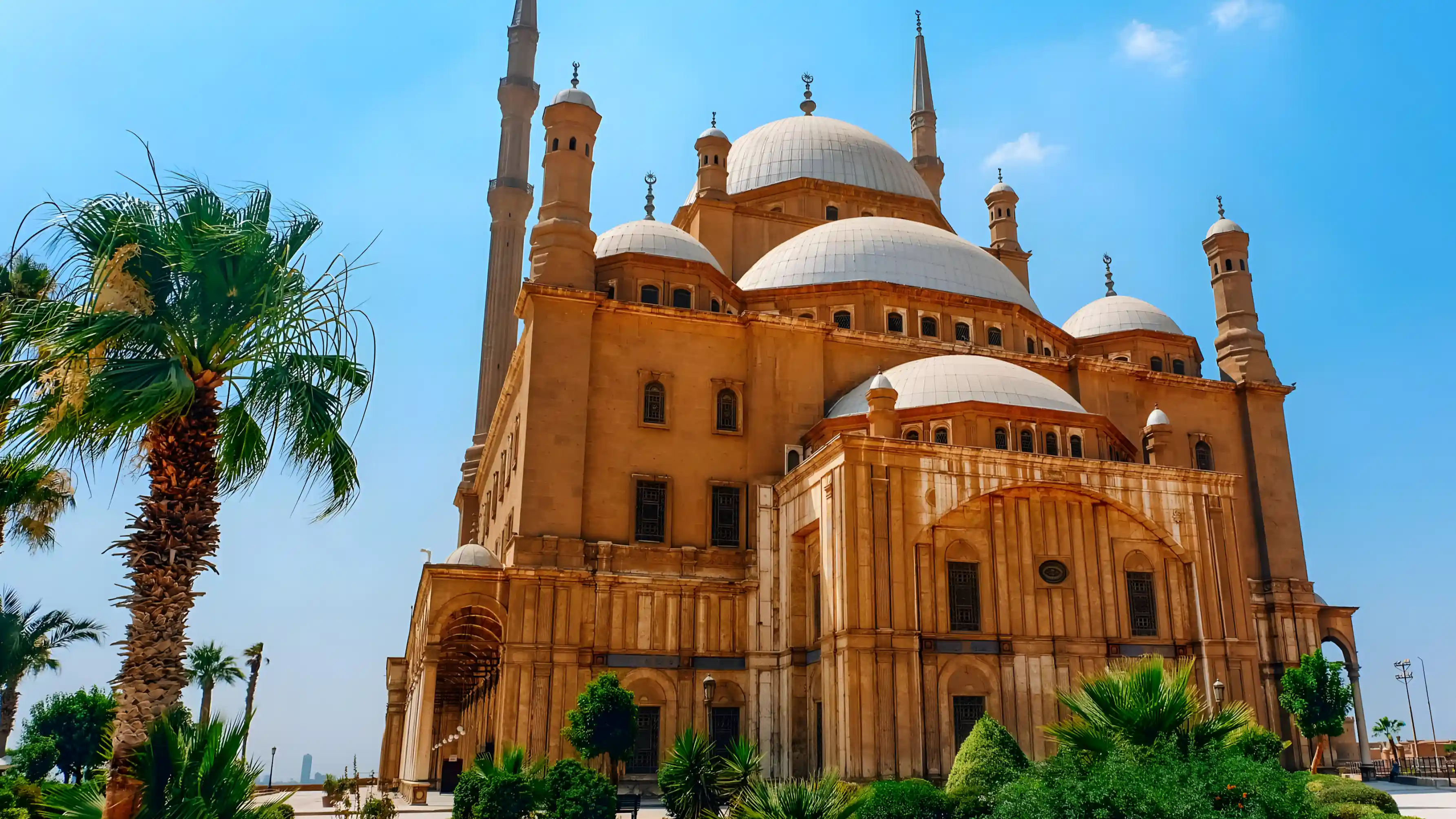
Coptic & Islamic Cairo
A city-history route for travelers who want Cairo read through churches, mosques, streets, and citadel views rather than through a monument-first or museum-first day.
Why this Cairo format works
This route works because Cairo is not only a gateway to Giza. It is also a city whose Christian and Islamic layers still hold together spatially, visually, and historically if you give them one full day of their own. Old Cairo carries the earlier religious and communal texture. The Citadel, major mosques, and Al-Muizz Street carry the medieval civic and architectural weight. Seen together, they make Cairo feel like a layered city rather than a base for nearby monuments.
This is the strongest fit if you are already in Cairo and want one day shaped by urban history, sacred architecture, and lived neighborhoods rather than by pharaonic objects or the Giza plateau. If you want Cairo explained through collections instead, Egyptian Museums Tour is the better route. If your real priority is pyramids plus one museum stop, Pyramids, Saqqara & Grand Egyptian Museum Tour is usually the stronger fit. If you want to slow down one side of the city or shape the day more personally, you may be better served by something more personal.
What these images should help you judge
The gallery should help you judge whether this is the kind of Cairo day you actually want: less a monument sweep and more a layered city route where churches, mosques, old streets, and elevated views combine into a fuller reading of Cairo’s post-pharaonic life.
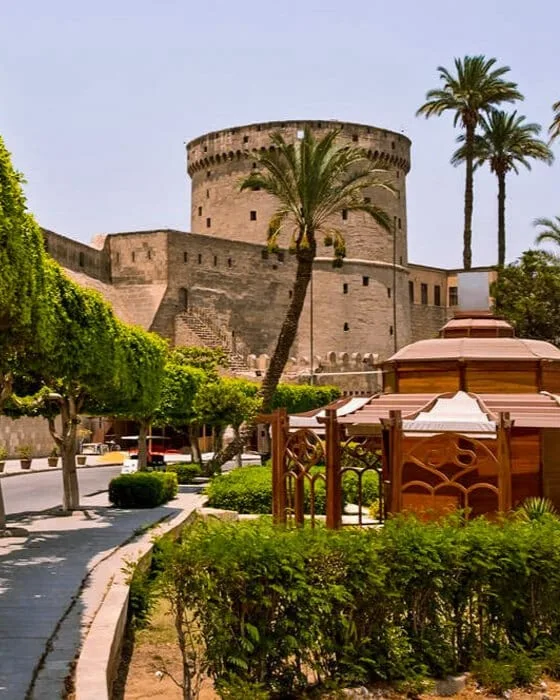
Fortress tower within the Citadel of Saladin in Cairo
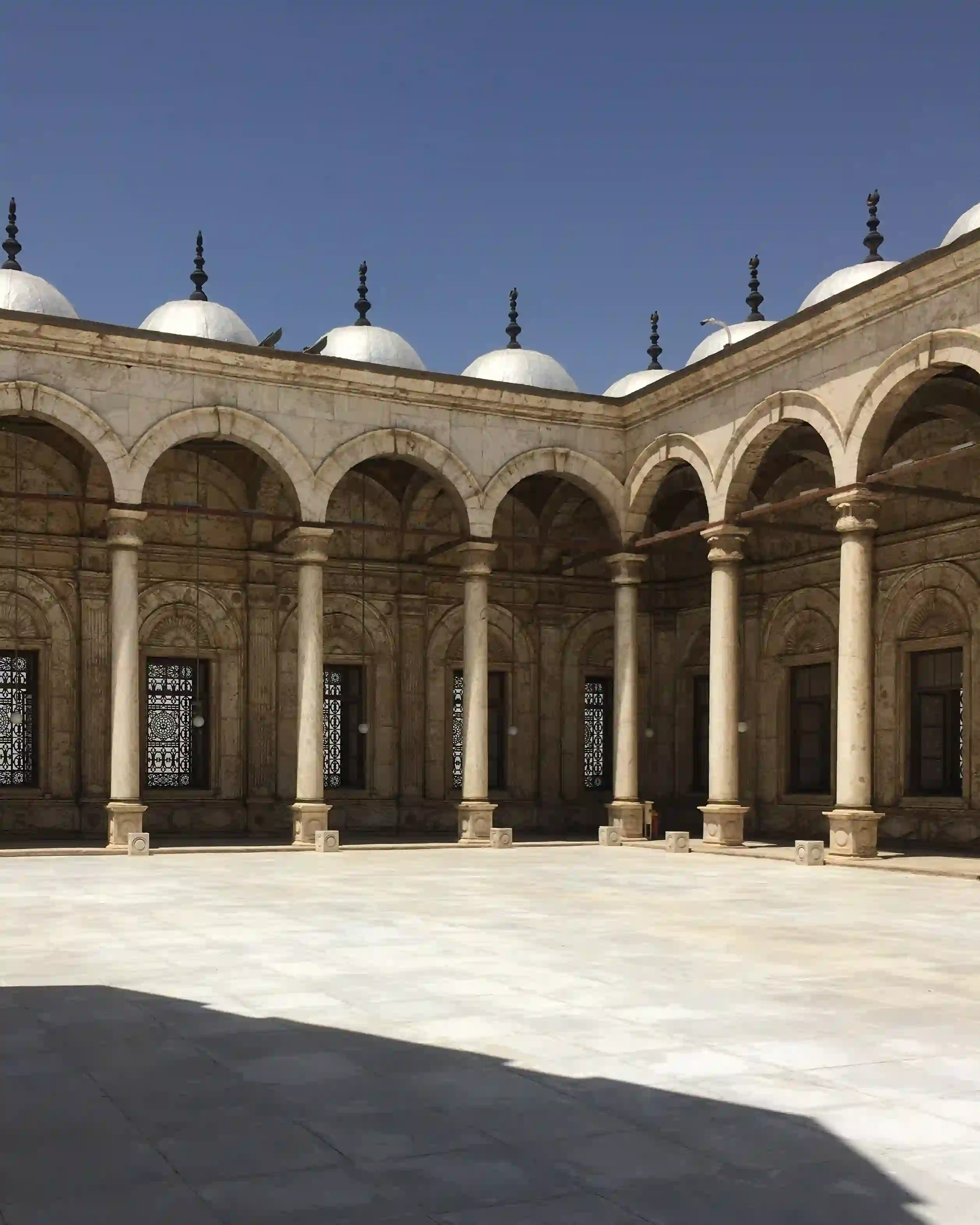
Courtyard of the Mosque of Muhammad Ali in Cairo
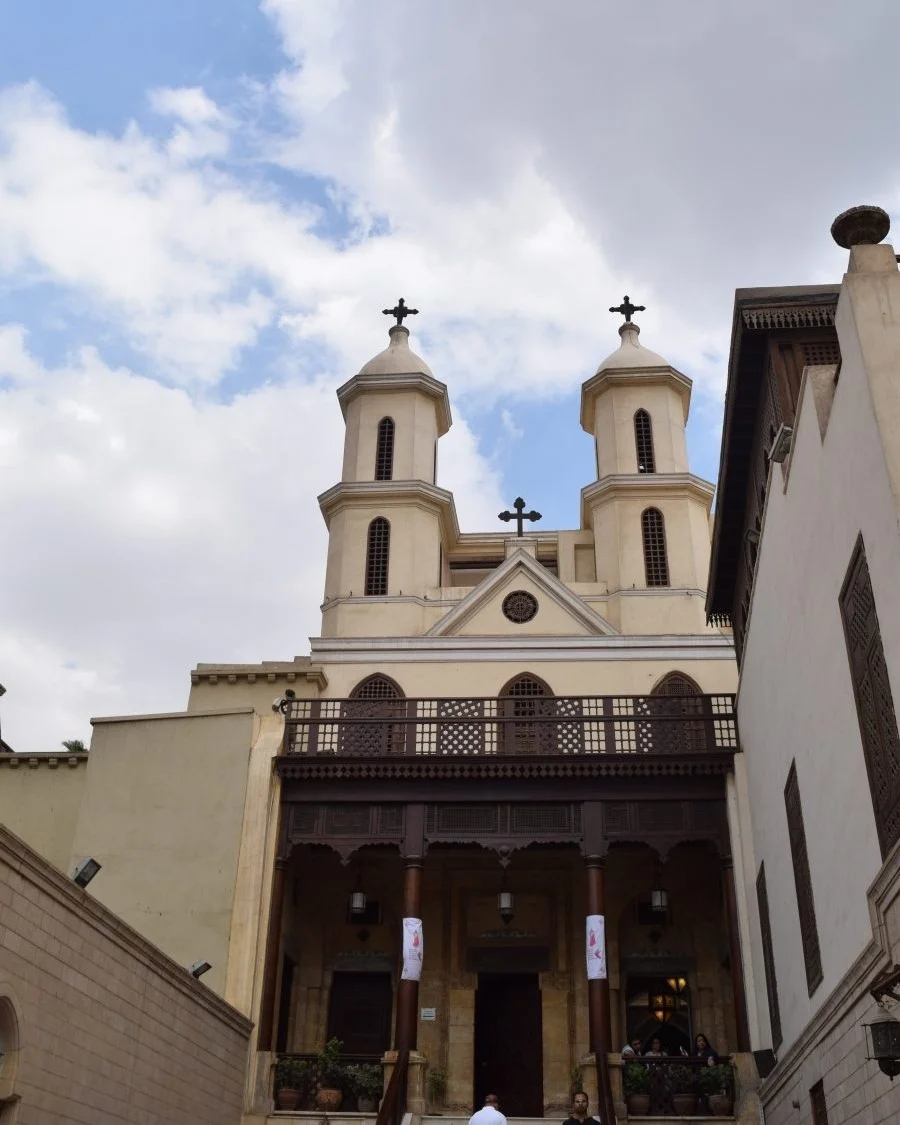
Twin bell towers of Saint Virgin Mary's Coptic Orthodox Church, widely known as the Hanging Church
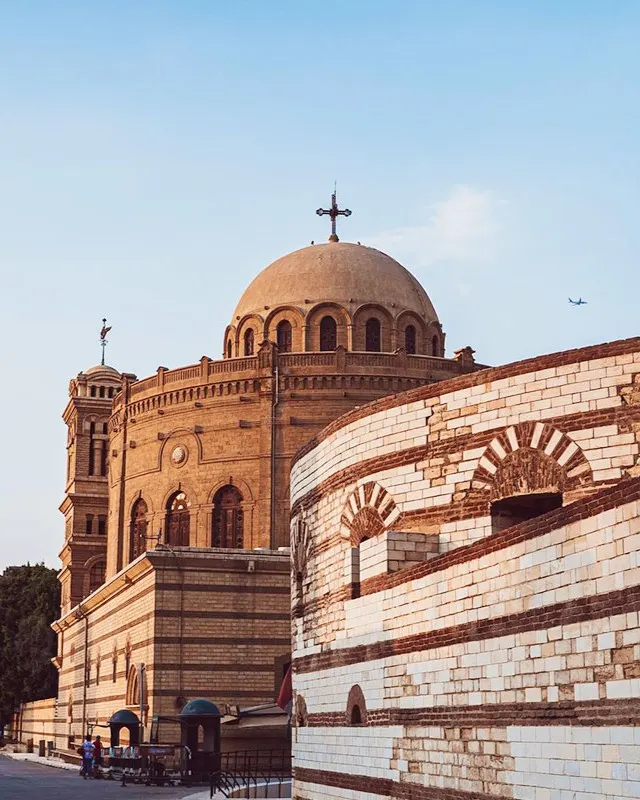
The Church of St. George (Mar Girgis)
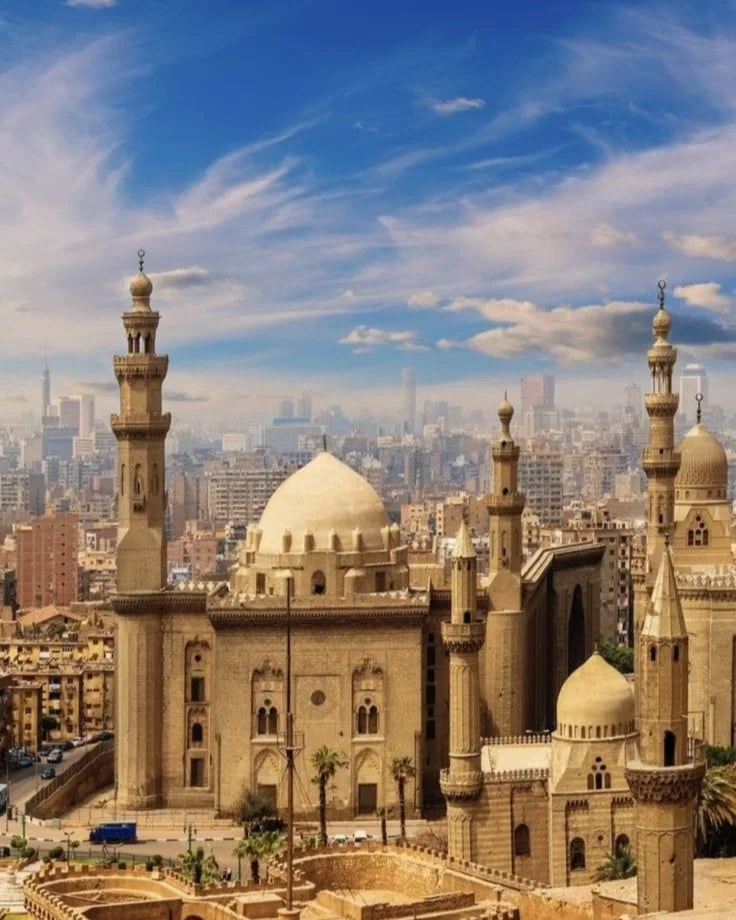
Mosque-Madrasa of Sultan Hassan paired next to the Al-Rifa'i Mosque
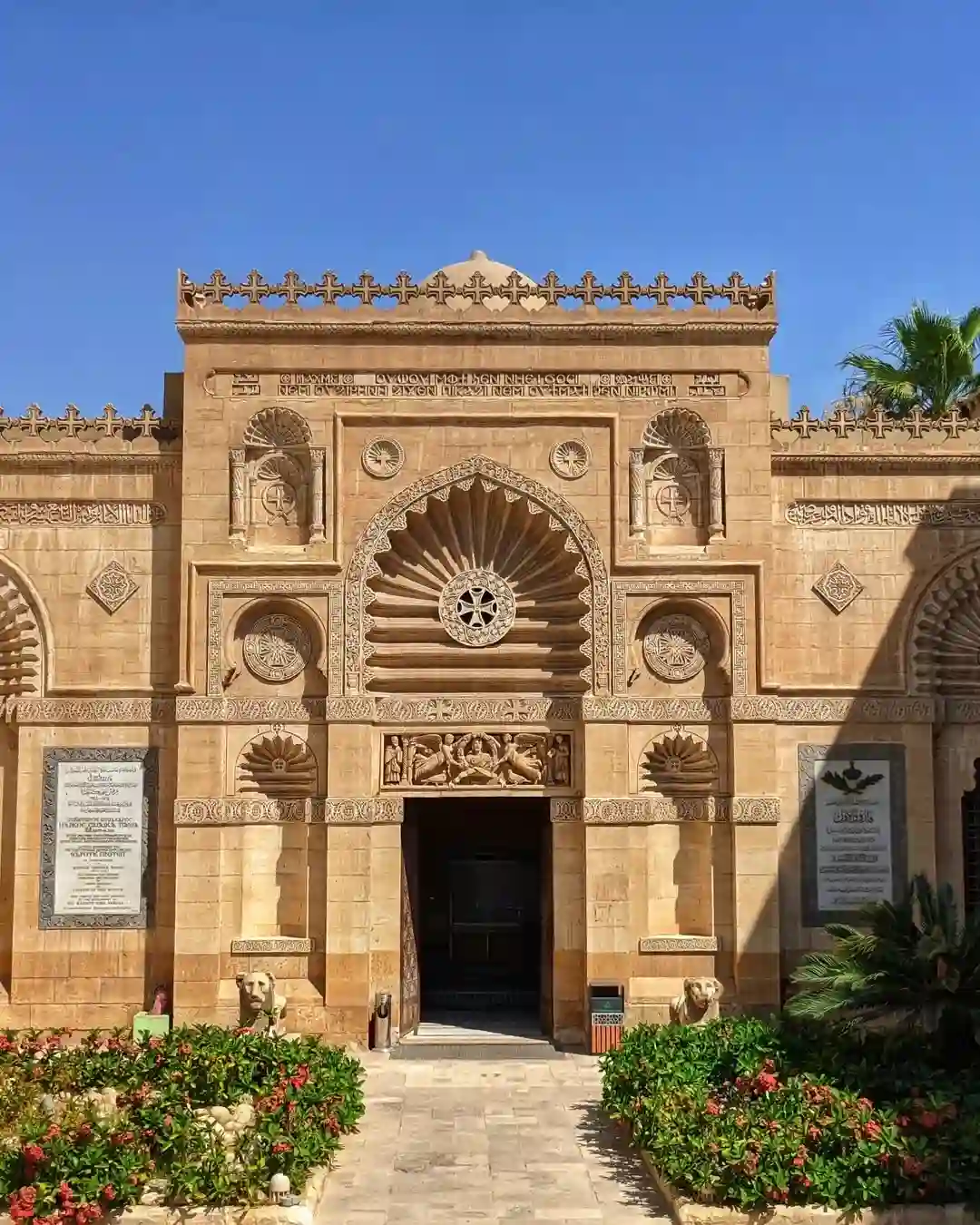
Entrance of the Coptic Museum
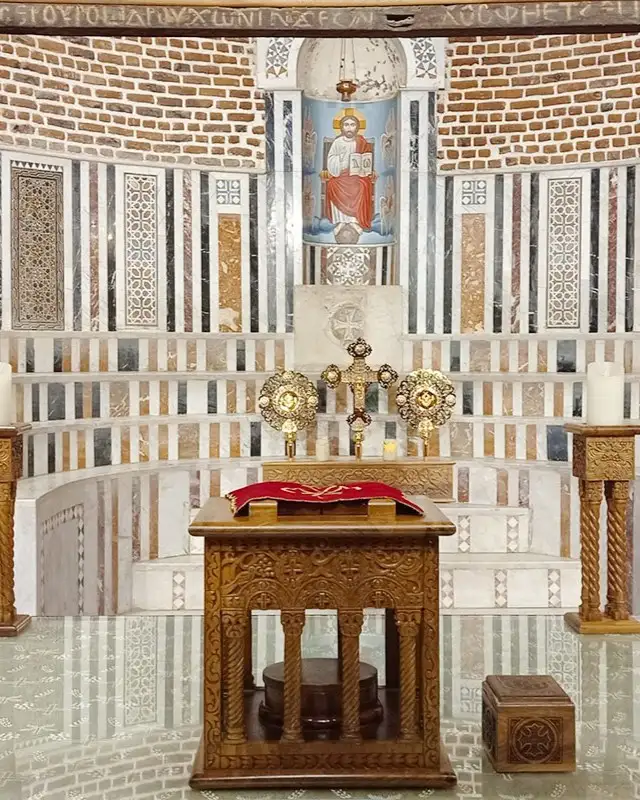
Main sanctuary and altar apse inside the historic Church of Saints Sergius and Bacchus
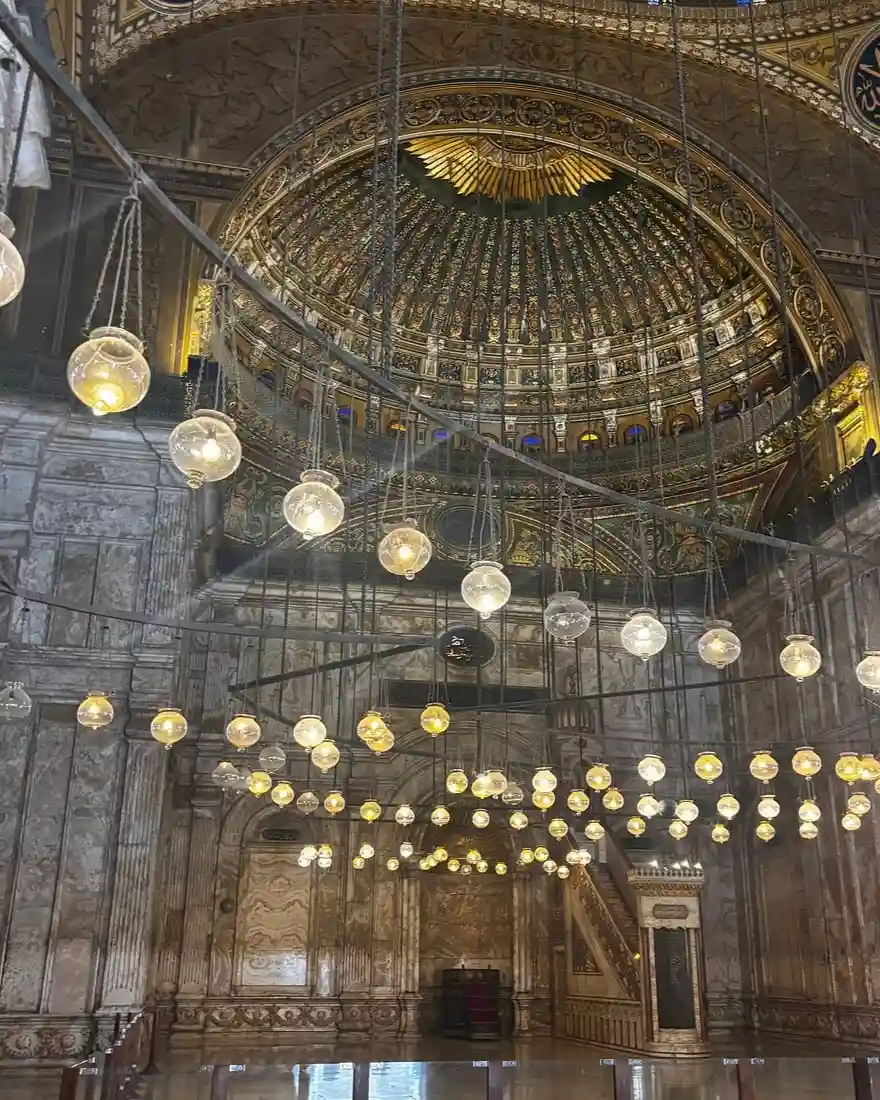
Interior of the Mosque of Muhammad Ali
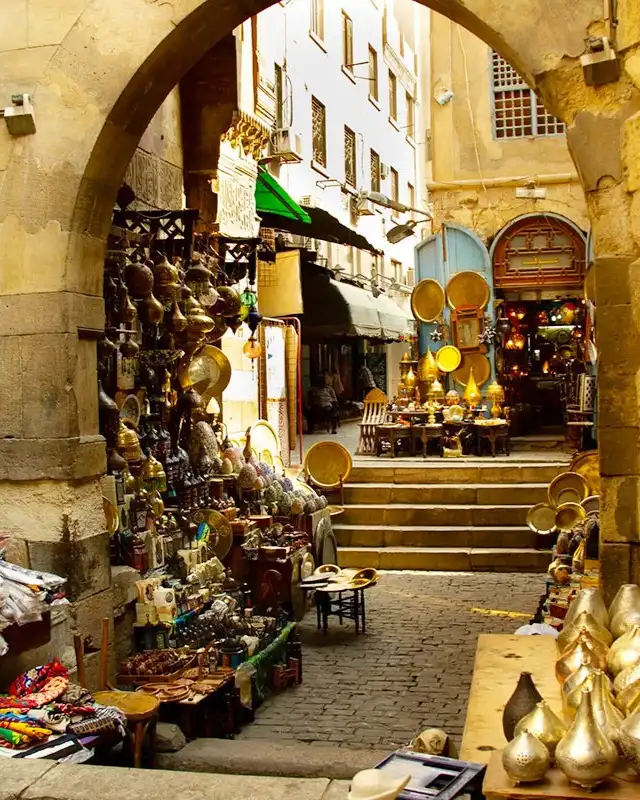
Alleyway in the historic Khan el-Khalili bazaar
Why this layered Cairo format earns its place
Four reasons this route works for travelers who want Cairo explained through religious layers, urban texture, and historical continuity rather than through pyramids or museum collections.
What makes this moderate, and what still makes it worth it
This is a moderate day physically, and that rating matters. The route is not difficult in the sense of distance alone, but it does involve an 8-hour urban rhythm with uneven historic ground, narrow lanes, and repeated stairs across both historical halves of the city.
Moderate here means the day asks more of you than a museum route. The reward is a fuller, more lived reading of Cairo’s Christian and Islamic layers, but the tradeoff is more movement, more transitions, and less passive comfort than on a simpler indoor itinerary. The group stays capped at 12 travelers. Starting price from $1,000 per person.
Duration
Group Size
Difficulty
Starting Price
How this Cairo day holds together
The route works because it moves from Cairo’s earlier communal layer into its later civic and monumental one. Old Cairo comes first, when the quieter religious quarter is easier to read on foot and the churches, synagogue, and museum still feel spatially connected. The afternoon then opens upward and outward through the Citadel, the major mosques, and Al-Muizz Street, where the city becomes denser, louder, and more architecturally expansive. That sequence lets Cairo unfold as a layered city instead of as unrelated religious landmarks.
What the day really feels like on the ground
Expect a day that feels more lived, more mobile, and more urban than a museum route. You are not moving through one controlled indoor environment or one iconic plateau. You are stepping through lanes, courtyards, stairs, mosque complexes, and viewpoint changes that make the city feel inhabited rather than staged.
Moderate here means the physical effort is real but reasonable. The day asks for more walking and more transitions than a collections-first route, and more attention to dress and site etiquette than a monument-heavy day. The reward is that Cairo feels less like a checklist and more like a city whose religious and civic layers are still readable in place.
You should also expect the afternoon to feel busier than the morning. Old Cairo tends to read more quietly. The Citadel and Al-Muizz carry more movement, more people, and more visual density. That shift is part of why the route works.
What matters before you choose this day
These details matter because the route is rewarding, but it only works well if you are comfortable with a more mobile, more dress-sensitive, and more urban Cairo day.
What to Bring
Pack for a mobile urban day with religious sites, uneven historic ground, and repeated transitions rather than for a museum circuit. The real needs here are modest clothing, comfortable footwear, and only what you want to carry through stairs, courtyards, and busy old-city streets.
Questions people often ask before choosing this historic Cairo day
These answers help you judge whether this is the right Cairo format for your interests, your comfort with movement, and the kind of city history you actually want.
Check whether this layered Cairo day fits your trip
Use the form below to check availability and fit. We will come back to you within 24 hours with the clearest next step for this historic Cairo route.
Ready to plan a trip that fits you?
Start with a program, shape something more personal, or reach out if you want help choosing the right destination and pace.
Travelers Hosted
Curated Programs
Years of Experience
Average Rating