Luxor: A Complete Guide to the City of Temples
Luxor holds more of ancient Egypt's best-preserved monuments than any other city. Here's how to see them well.
May 5, 2026
The city that ancient Egyptians called Waset
For centuries, Luxor was the capital of the New Kingdom and the wealthiest city in the known world. Today it holds the densest concentration of ancient monuments on Earth, nearly all accessible within a short drive of the city center. This guide covers what's here, how to organize your time, and what actually changes a rushed visit into a meaningful one.
Two banks, one city. The east bank is where modern Luxor sits: the hotels, restaurants, train station, and the two great temple complexes. The west bank, a short ferry or bridge crossing away, is where the pharaohs built their tombs and mortuary temples. Ancient Egyptians associated the east with life and the rising sun, the west with death and the setting sun. The arrangement is deliberate and it still organizes the visit today.
Most visitors spend two to three days, splitting mornings between the west bank (coolest and least crowded early) and afternoons at the east bank temples, where the late light is better. One full day is possible if you start early. Two is more comfortable. Three gives you room to actually read the walls.
The east bank
Karnak Temple Complex
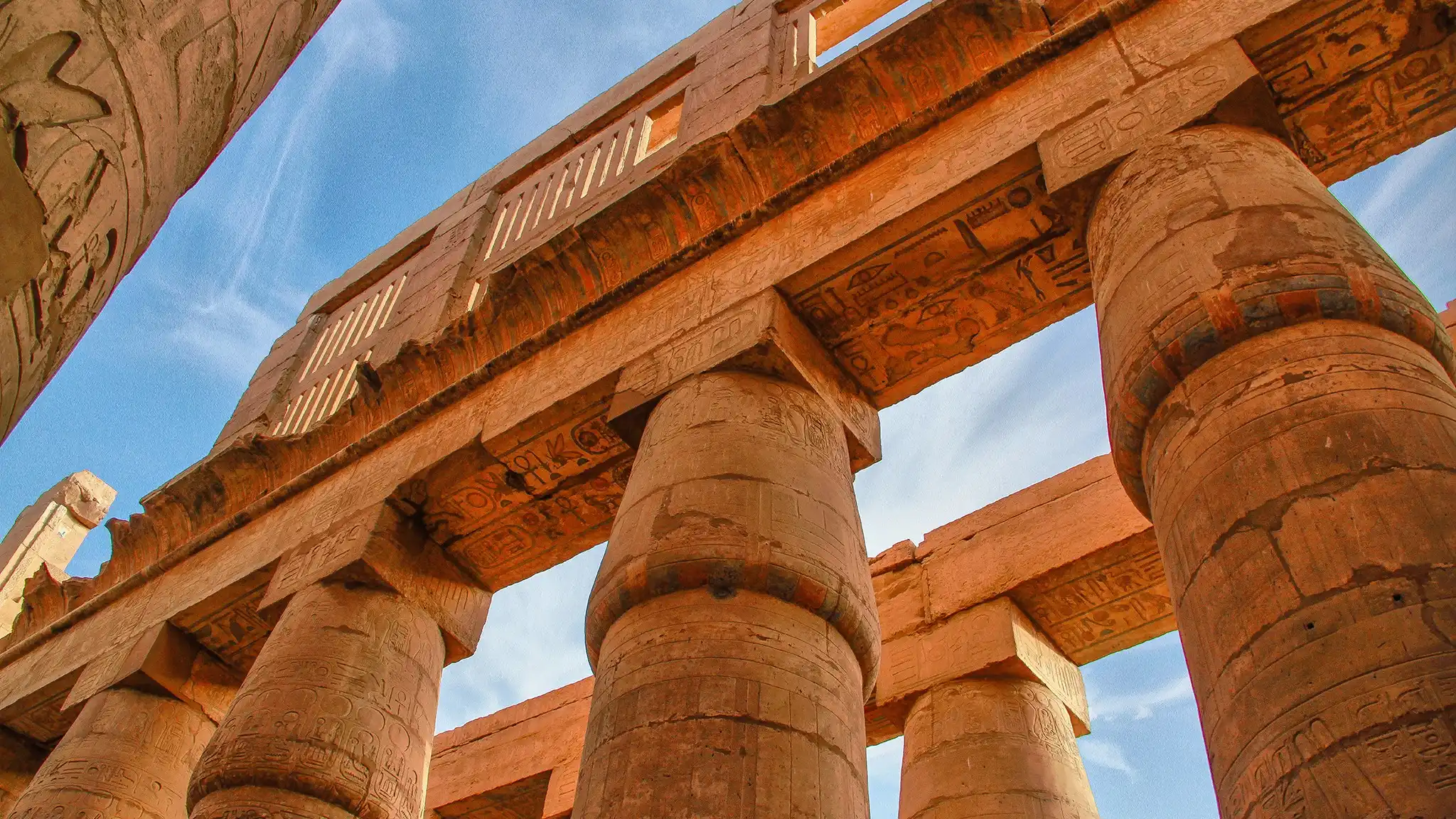
Karnak is not one temple. It's a 100-hectare complex of sanctuaries, pylons, obelisks, and chapels built up over 2,000 years by successive pharaohs, each adding to what came before. The result is one of the most layered monuments on Earth.
The centerpiece is the Great Hypostyle Hall: 134 massive columns arranged in rows, some of them 21 meters tall. In the right light, especially in the early morning when shadows angle between the columns, it's the kind of space that stays with you. Give it at least two hours. Many visitors try to rush through in ninety minutes and miss most of it. The relief carvings, cartouches, and secondary courtyards reward slow movement.
Our Karnak & Luxor Temple Discovery program covers the full complex with a guide who specializes in temple reading, which changes what you see substantially.
Luxor Temple
Luxor Temple sits in the city center, walking distance from most east bank hotels. Built primarily by Amenhotep III and extended by Ramesses II, it has a clear architectural logic: a single main axis running north to south, with the inner sanctuaries becoming progressively more enclosed.
Two things make it worth seeing separately from Karnak. First, it's best at sunset and at night, when the temple is lit and the columns take on a different quality than in midday heat. Second, the Avenue of Sphinxes connecting Luxor Temple to Karnak has been restored, and walking it in the evening gives a sense of the ancient procession route that daytime doesn't.
The west bank
The west bank was the city of the dead for the ancient capital. The Theban Necropolis stretches across the desert hillside for several kilometers. Visiting it properly takes a full morning with an early start; the sites open at 6am and the difference between arriving at 6:30 and arriving at 9am is measurable in both temperature and crowd density.
Valley of the Kings
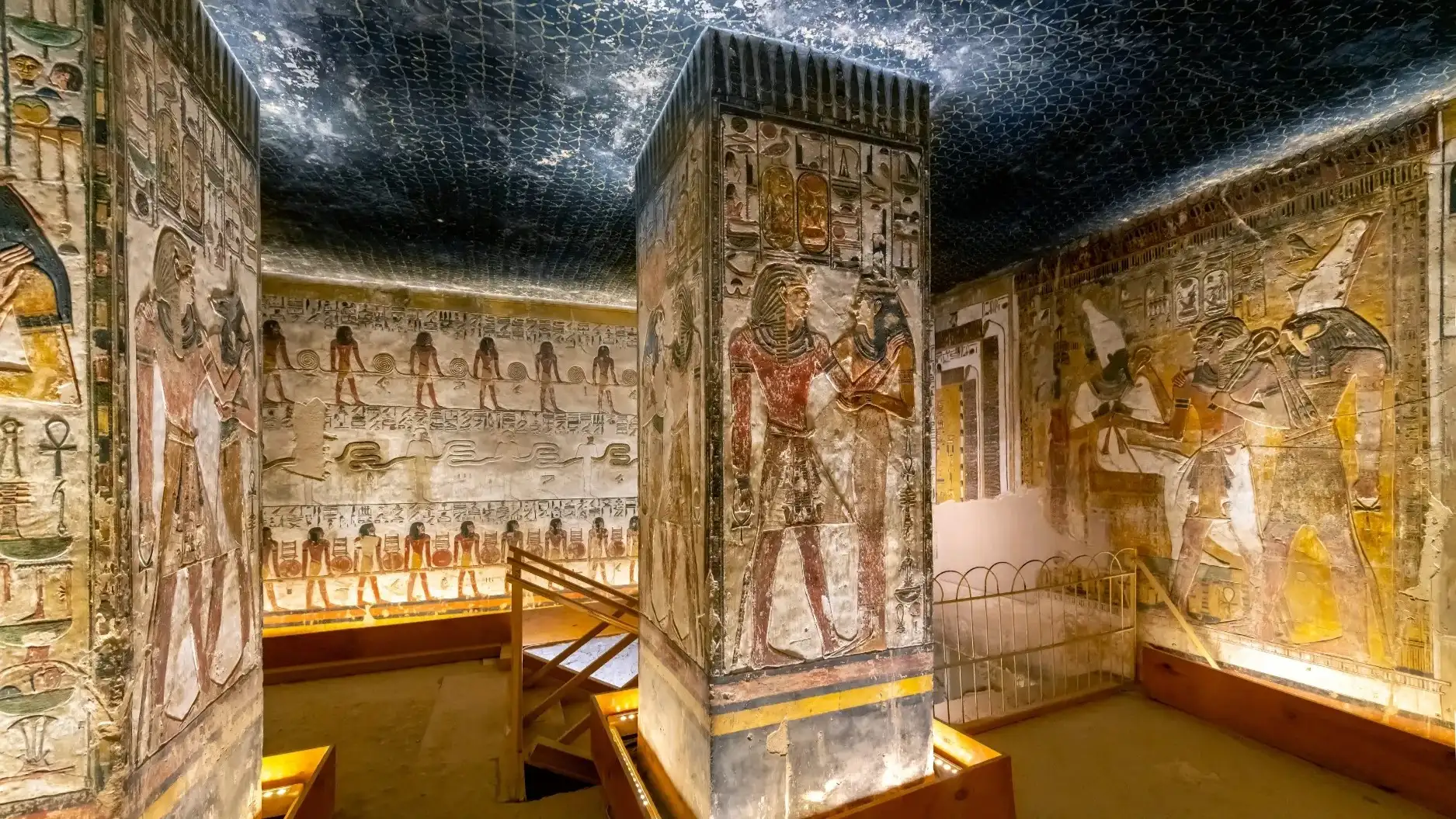
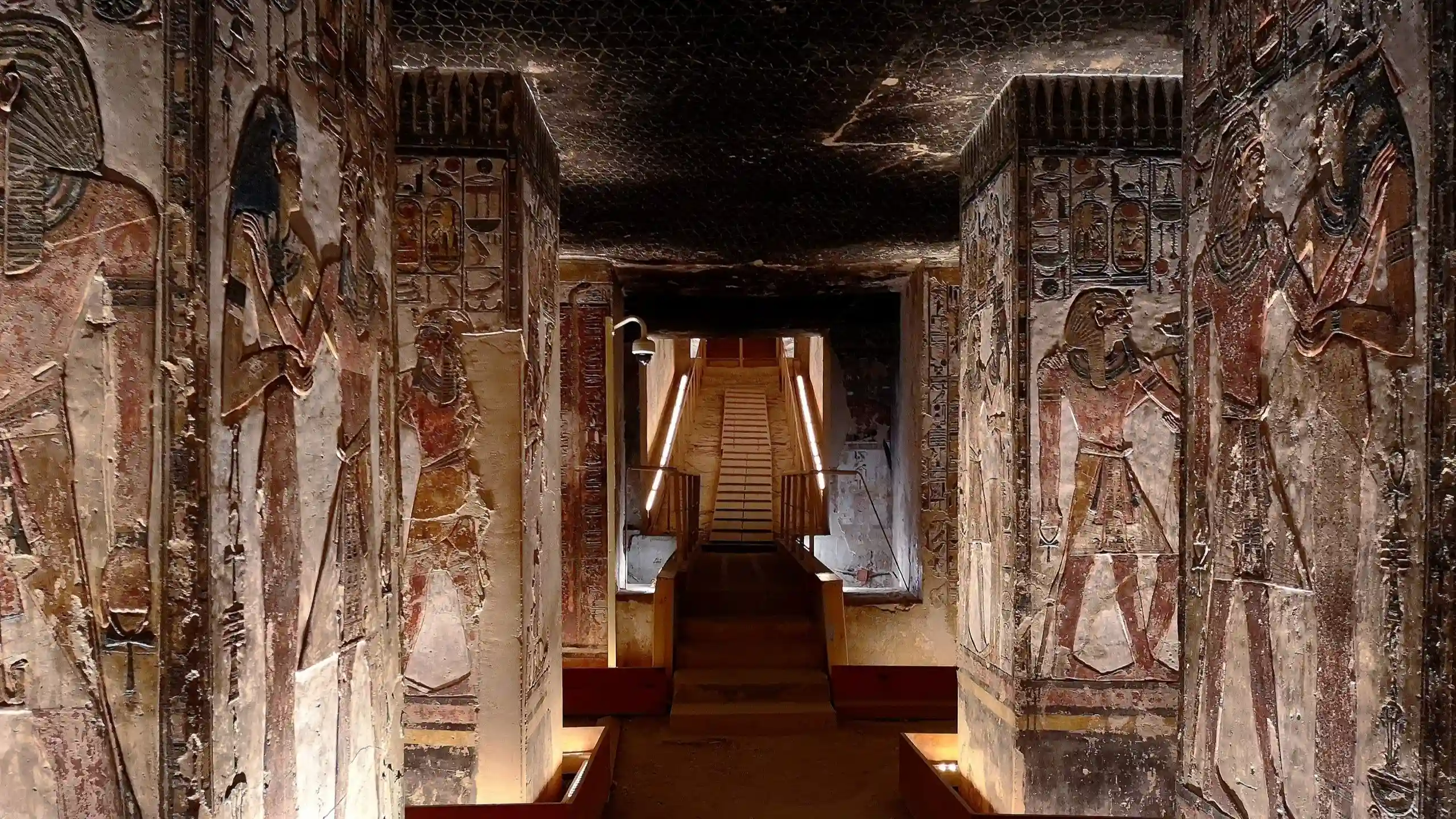
The Valley of the Kings holds the tombs of New Kingdom pharaohs from Thutmose I through Ramesses XI, roughly 1500 to 1100 BCE. Sixty-three tombs have been discovered. A standard ticket covers three, with additional tickets for Tutankhamun's tomb (small but historically significant), Seti I (the most beautifully decorated, now on strict visitor rotation), and a handful of others.
The paintings inside these tombs aren't decorative. They're religious texts and ritual maps intended to guide the dead through the underworld. Knowing even a little about what you're reading changes the experience substantially. Our Valley of the Kings & Queens program covers the complex with that contextual depth.
Go early. The valley gets hot fast, and the crowds arrive by mid-morning.
Valley of the Queens
A separate site about 2 kilometers south of the Valley of the Kings, the Valley of the Queens contains over 90 tombs, most belonging to royal wives and children of the New Kingdom.
The tomb of Nefertari, principal wife of Ramesses II, is the most visually remarkable burial site on the west bank. Every surface is painted, the colors are exceptionally well preserved, and the iconography is more personal than the royal tombs. Entry requires a separate premium ticket and daily visitor limits apply. Book ahead if seeing it is a priority.
Hatshepsut's temple (Deir el-Bahari)
Hatshepsut was the female pharaoh of the 18th Dynasty, and her mortuary temple, built into the cliffs at Deir el-Bahari, is unlike anything else in Egypt. Three colonnaded terraces rise toward the rock face behind them, giving the structure an architectural quality very different from the mass and density of Karnak.
The temple is among the better-preserved on the west bank. It was deliberately defaced after Hatshepsut's death by her successor Thutmose III, who had her image carved out of the walls wherever he found it. What remains is still extraordinary, and the story behind the damage is worth knowing before you arrive.
Medinet Habu
The mortuary temple of Ramesses III is one of the most undervisited major sites on the west bank. Where the Valley of the Kings draws the crowds, Medinet Habu is often quiet. The temple is large, well-preserved, and the exterior walls still carry vivid painted reliefs that don't require interior access.
If you have a second day on the west bank, Medinet Habu combined with the Colossi of Memnon at sunrise makes for a well-paced morning.
Colossi of Memnon
The two seated statues of Amenhotep III stand at what was once the entrance to his mortuary temple, now largely destroyed. At 18 meters each, their scale is best appreciated early before the tour buses arrive. No entry fee, and they make a natural first stop when beginning a west bank morning.
How much time to spend
One full day covers the essentials: Valley of the Kings early morning, Hatshepsut's temple mid-morning, Karnak in the afternoon, Luxor Temple at sunset. It's a long day and requires discipline about timing.
Two days is more comfortable and lets you add Medinet Habu, the Valley of the Queens (and Nefertari's tomb if you've booked ahead), and the Avenue of Sphinxes at a pace that lets you actually read the walls rather than just photograph them.
Three or more days makes sense if you want to go deeper: the tomb of Seti I, the open-air museum at Karnak, or a hot air balloon over the west bank at sunrise, which gives a completely different view of how the necropolis sits in the landscape.
Getting around
The east bank is walkable from most hotels to both Karnak and Luxor Temple. The west bank requires a crossing: either the local ferry (inexpensive, used by locals) or a bridge crossing by taxi or tuk-tuk. A driver for the west bank makes logistics significantly easier since the sites are spread out enough that walking between them in the heat is impractical.
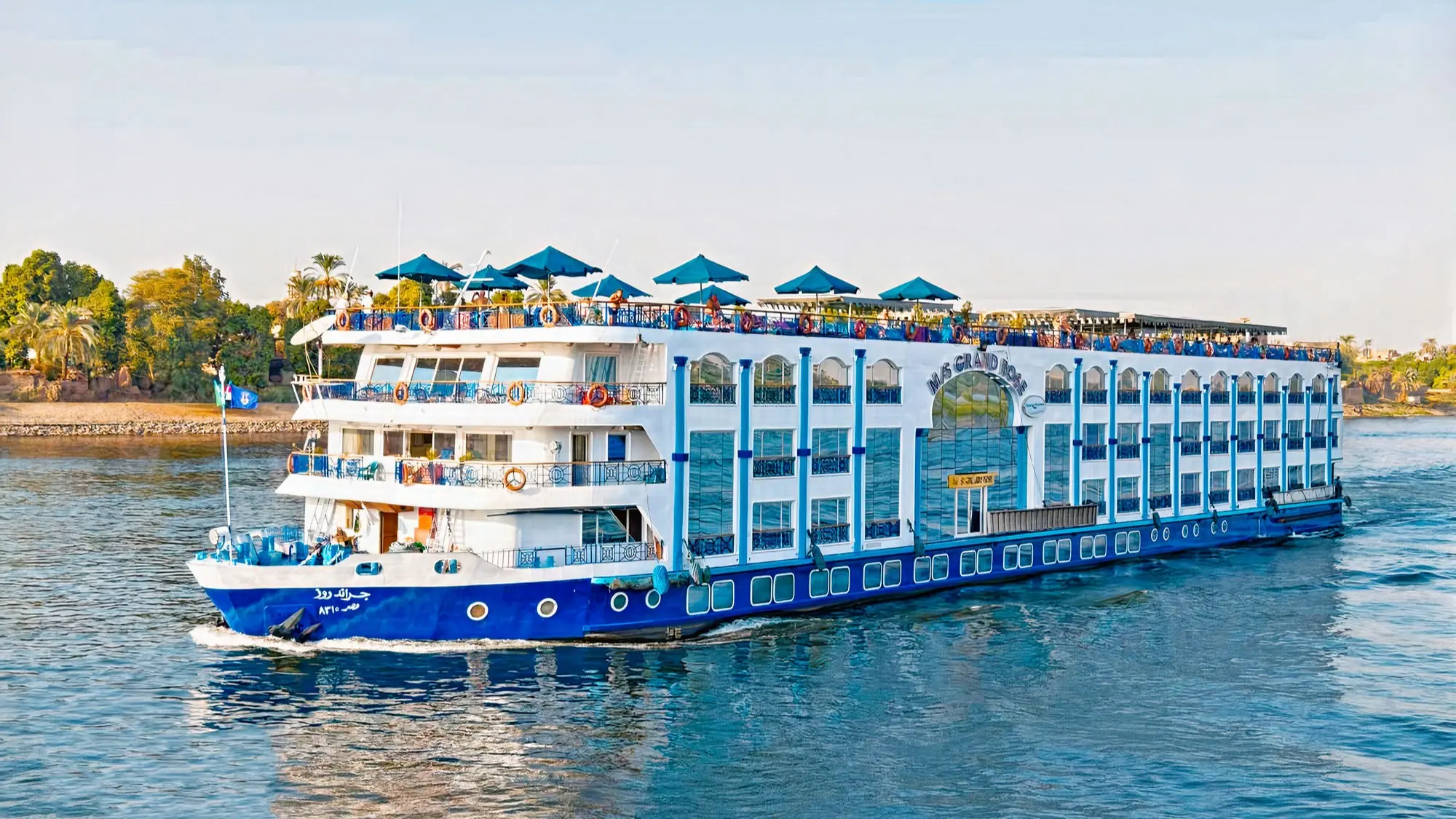
Horse-drawn carriages are common on the east bank. Felucca rides on the Nile, either at sunset or as a crossing method, are worth including if your schedule allows.
When to go
October through March is when Luxor is most comfortable. April mornings are still manageable, but by midday the heat in the Valley of the Kings is significant. From May onward, outdoor time should be concentrated before 9am and after 5pm. July and August are genuinely difficult for outdoor sites in this part of the valley.
Luxor is less affected by tourist surges than Cairo, but December and January see the most visitors. For quieter tombs, November and February are the better choices.
Practical notes
Entry fees: Karnak and Luxor Temple have separate tickets. The Valley of the Kings standard ticket covers three tombs; extra tickets are required for Tutankhamun (KV62), Seti I (KV17), and Nefertari's tomb. Hatshepsut's temple, Medinet Habu, and the Valley of the Queens all have their own tickets.
Dress code: Shoulders and knees covered at all temple sites. Loose, breathable fabric works best. Inside the tombs, avoid touching the walls; the reliefs have been damaged over decades by contact and moisture.
Photography: Permitted at most sites. Inside Valley of the Kings tombs, a separate photography ticket is required. Tripods not permitted at most sites.
Guides: A good guide changes what Luxor is. The monuments here are dense with narrative, symbolism, and historical context that isn't obvious from the signage alone. We work with experienced local guides who know these sites thoroughly.
If you'd like help putting together a Luxor itinerary, or if you're combining Luxor with Cairo or Aswan, tell us what you have in mind and we'll help you structure it well.
Ready to plan a trip that fits you?
Start with a program, shape something more personal, or reach out if you want help choosing the right destination and pace.
Travelers Hosted
Curated Programs
Years of Experience
Average Rating