The Best Time of Year to Visit Egypt
When you go shapes what you experience. Here's what each season actually delivers, and how to match your timing to the kind of trip you want.
May 10, 2026
Choosing the right time to go
Egypt is a year-round destination, but when you arrive shapes what you experience. Summer in Luxor is a very different proposition from November in Aswan. This guide breaks down both seasons month by month, covers how your program type shifts the equation, and gives you a practical framework for choosing the window that fits your trip.
Egypt runs on two seasons, not four. From October through April, temperatures are comfortable, the light is stunning, and most of Egypt's major sites are at their best. From May through September, the heat rises significantly, especially inland and in the south, and visitor numbers thin out considerably.
That's the broad picture. The details matter more than the labels. October and March are nothing alike, and a desert expedition in May is a very different undertaking from the same trip in November. What follows is a month-by-month breakdown of what Egypt actually feels like, and what each window is best suited for.
Peak season: October to April
This is when Egypt is most comfortable and most visited. The Nile valley cools, the desert becomes approachable, and Cairo, Luxor, and Aswan all open up in a way that summer heat simply doesn't allow.
October and November: the best overall window
These two months sit in the sweet spot. Temperatures in most of Egypt range from the mid-20s to low 30s Celsius during the day, dropping comfortably at night. The summer crowds are gone, but the holiday surge hasn't yet arrived. Prices tend to be more reasonable than December, and most sites, including temples, archaeological zones, and desert routes, are manageable without the pressure of peak-holiday density.
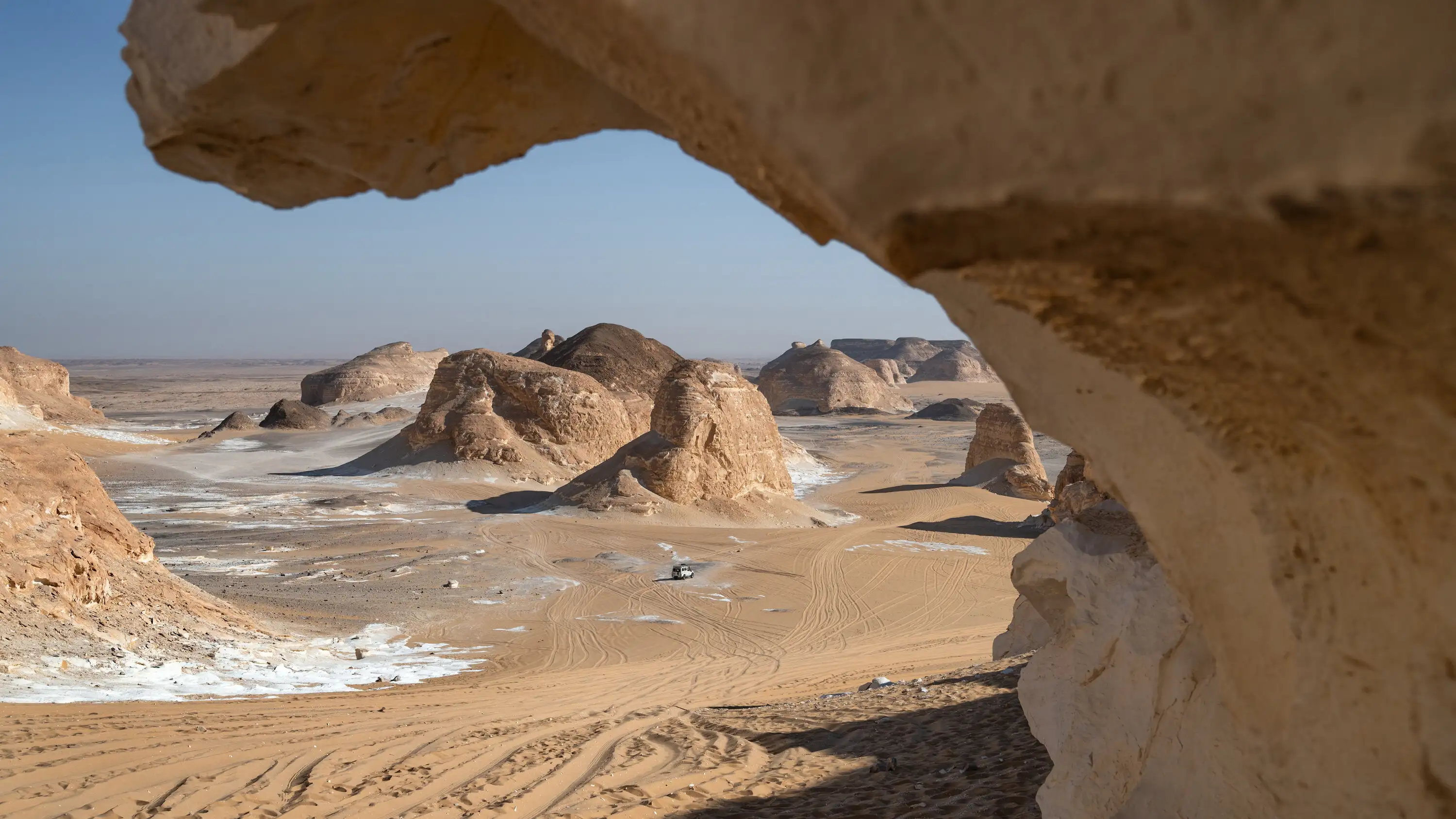
For desert programs like the White Desert overnight or a multi-day trip to Siwa, October and November are ideal. The nights are cool without being cold, and the days are clear without exhausting you.
If you're flexible, this is the window to aim for.
December and January: festive, busy, and worth it
The best weather Egypt offers falls in these two months. Daytime temperatures hover around 20–25°C in most regions, with cooler evenings in the desert and the Sinai highlands. Aswan stays warmer; Luxor and the desert can get genuinely cold at night.
The tradeoff: this is peak travel season. The Valley of the Kings, the Pyramids plateau, and popular Nile cruise routes are at their busiest. If you're planning a longer trip like the Classic Egypt Discovery or an ambitious multi-city circuit, book early and expect the most popular sites to be well-populated in the mornings.
It's still worth it. The light at this time of year, especially on winter mornings in Luxor, is some of the best Egypt produces.
February and March: underrated and genuinely excellent
Most travelers overlook February and March. Post-holiday crowds have thinned, but temperatures are still very pleasant, warm enough to enjoy full days outdoors without the intensity that arrives in April. Prices are often lower than December and January, and popular sites feel noticeably more spacious.
March is also one of the most reliable months for desert programs. Days are warm without being punishing, and the desert light in late afternoon is particularly good.
If you want solid weather, quieter sites, and fair prices, February and March are consistently the most undervalued months on Egypt's travel calendar.
April: warming fast, still workable
April is a transition month. In northern Egypt and along the coast, it remains pleasant. In Luxor and Aswan, daytime heat is already significant, typically 35°C or above by mid-April. The desert becomes notably more demanding.
The upside: Easter and spring school breaks create a brief crowd spike in early April, but outside those windows, sites are quieter and accommodation is reasonably priced. If you're visiting primarily cities like Cairo, Alexandria, or the Giza plateau, April is still manageable. For southern routes and desert programs, aim for the earlier part of the month.
Off-peak season: May to September
Off-peak doesn't mean off-limits. It means understanding what you're choosing.
May and June: heat rises, rhythm changes
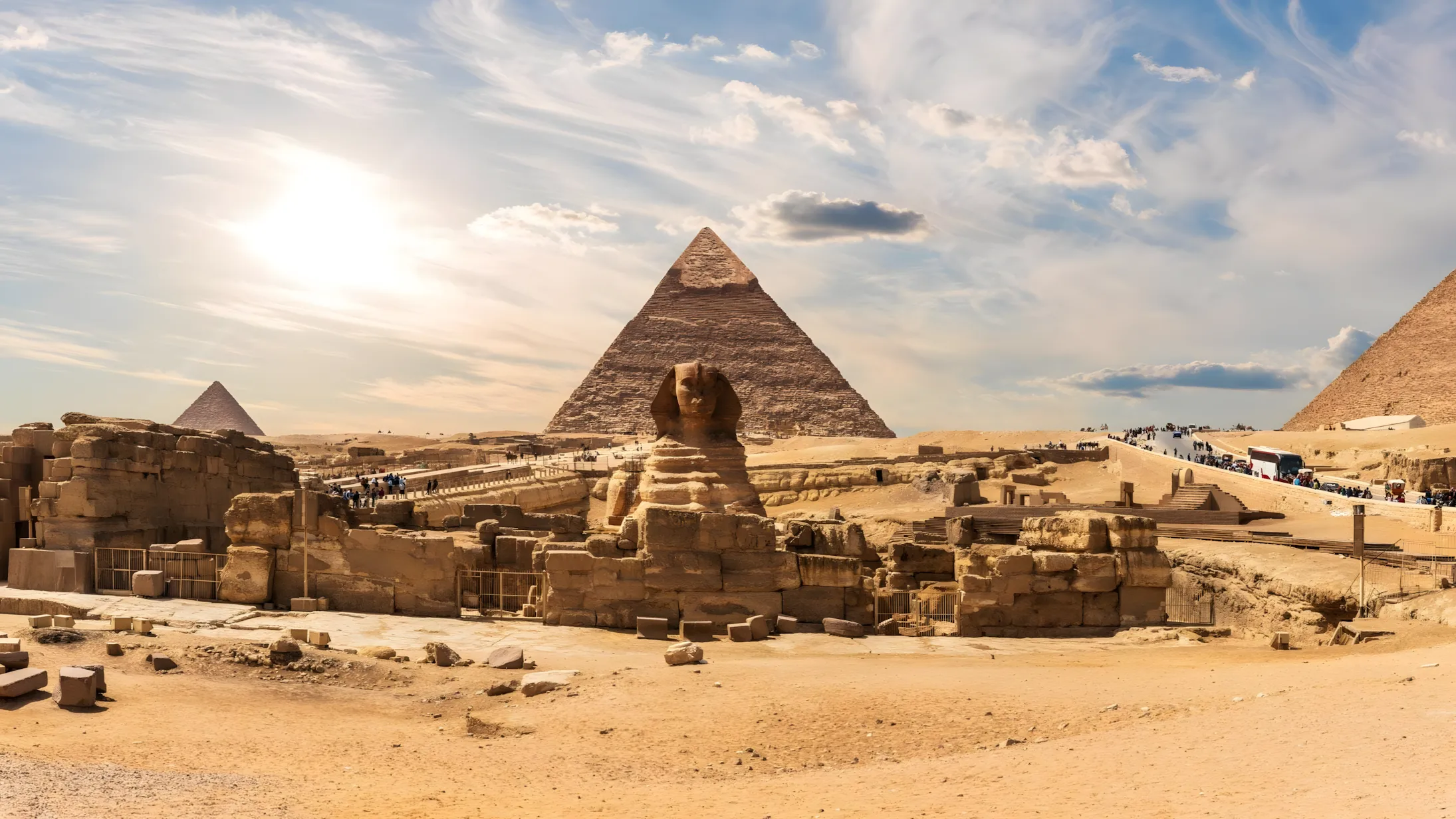
By May, heat in Luxor and Aswan typically reaches 38–42°C. In the desert, it goes higher. Sightseeing shifts to early mornings and late afternoons, which actually produces a slower, more deliberate pace that some travelers prefer. Sites are quieter, guides have more time, and you'll have places like the Pyramids plateau to yourself in a way that simply isn't possible in December.
If you can structure your days around the heat and are comfortable in a more physically demanding environment, May and early June can work well for city-based trips. For desert programs, this window is not advised.
July and August: the deep heat
Temperatures in southern Egypt regularly exceed 45°C in July and August. Humidity in Alexandria and along the coast rises. Even Cairo, which tends to be drier, is genuinely uncomfortable for extended outdoor time.
The one clear advantage: this is when Egypt sees some of its lowest hotel and program prices. If budget is the primary constraint and you can manage the conditions, it's possible to visit. We'd recommend placing almost all outdoor activity before 9am and after 5pm, and staying primarily in Cairo and air-conditioned museum visits.
Nile River Cruises run year-round, but summer heat makes above-deck time very limited. If the river is central to your trip, peak season is significantly better.
September: the turning point
September is when Egypt starts to recover. Heat begins to ease in the north, though Luxor and Aswan remain hot into mid-month. By late September, conditions are noticeably more comfortable, and the streets begin to feel like they belong to daylight again, not just mornings and evenings.
If you're flexible and want a shoulder-season trip with genuinely low crowds and lower prices, late September can be a good choice, especially for a Cairo-focused trip, or a Nile cruise where the boat handles the day's heat for you.
Ramadan: what to know before you plan
Ramadan shifts earlier by about 11 days each year, so its timing changes significantly from one year to the next. In 2026, it falls approximately mid-February through mid-March.
Visiting during Ramadan is often misunderstood. Most sites remain open. Guides and drivers continue to work. The main practical differences: many restaurants don't serve food during daylight hours outside tourist-facing establishments, and the general rhythm of the day changes. Daytime is quieter; evenings are much more alive. After sunset, Egyptian cities come alive in a way that's genuinely worth experiencing if you approach it without fixed expectations.
Eid al-Fitr, which marks the end of Ramadan, is a major national holiday. Domestic travel surges, and popular sites near Cairo can be very busy. Booking ahead matters here more than at almost any other time of year.
How your program type shifts the timing equation
Desert programs need the full peak window
Programs like the White Desert Overnight Adventure, the Full Desert Experience, or a trip to Siwa should only run between October and April. Desert heat in summer isn't a question of discomfort; it's a safety and logistics constraint. Temperatures at remote desert camp sites can hit 50°C in July. These programs are designed for cooler months.
Nile cruises have their own rhythm
Nile cruises operate year-round, but the experience differs meaningfully by season. In peak season, the river is calm, evenings on deck are comfortable, and the sunrise from the boat ranks among the best moments of the trip. In summer, above-deck time is limited to early morning and after dark. The cruise still works as a transit and accommodation format, but a significant part of what makes it worth choosing, the river itself, becomes background rather than the center of the experience.
City days in Cairo, Luxor, and Aswan
City programs are the most season-tolerant. Cairo is navigable in summer if you structure around the heat. Luxor and Aswan are significantly harder; the southern heat is more intense and more sustained. For temple-heavy days in the south, peak season is a meaningful advantage: you can actually spend time at sites without counting the minutes until you find shade.
Quick guide: best timing by priority
Best overall weather: December and January
Fewest crowds: February, March, and late September
Best value: May through September (heat is a real factor)
Best for desert programs: October through March
Best for Nile cruises: October through April
Best for a first Egypt trip: October, November, February, or March
Best light for photography: November through January (low sun, long golden hours)
Avoid if sensitive to heat: June, July, and August in southern Egypt
What to bring depends on when you go
If you're visiting between October and April: light layers are essential, especially for desert nights and temple interiors. December and January mornings in Aswan can be genuinely cold. A light jacket or fleece that packs flat is worth having regardless of the daytime forecast.
If you're visiting between May and September: prioritize breathable, loose-fitting clothing that covers arms and legs, both for sun protection and for temple dress codes. A quality sun hat, high-SPF sunscreen, and a reusable water bottle are non-negotiable. Early starts matter more than almost anything else you can plan.
In any season, comfortable walking shoes with real support make a significant difference on temple floors, desert terrain, and the Pyramids plateau.
If you're still deciding on timing, or want to build an itinerary around the window that works best for you, tell us what you're looking for and we'll help you plan something that fits.
Ready to plan a trip that fits you?
Start with a program, shape something more personal, or reach out if you want help choosing the right destination and pace.
Travelers Hosted
Curated Programs
Years of Experience
Average Rating